
Searching for the perfect home often goes far beyond the four walls of a property—understanding the trends and characteristics of the surrounding neighborhood is key to making a smart investment. Whether you’re relocating or buying your first house, evaluating current neighborhood patterns offers crucial insight into property values, community well-being, and the overall living experience. For those focused on the Midwest, exploring homes for sale in St. Louis, MO can be especially beneficial as you consider how neighborhood trends impact real estate in this region.
Neighborhood traits, including economic growth, community amenities, and technological readiness, significantly influence buyer interest. These aspects determine not only present-day comfort but also the trajectory of long-term property appreciation and lifestyle satisfaction. Being mindful of these influences helps ensure that your next move is as future-proof as possible.
Keeping an eye on specific regional developments—from job markets to infrastructure upgrades—can make all the difference in predicting a neighborhood’s prosperity. As buyers seek environments that cater to their evolving needs, understanding how demographic and cultural shifts influence local desirability becomes just as crucial as finding a well-maintained home.
In many markets, amenities like green spaces, innovative technology, and shared facilities are transforming the traditional perception of what constitutes an ideal neighborhood. The interplay between these modern trends and classic considerations—like school districts and safety—often guides the most informed home purchases.
Economic Factors
One of the most defining trends in any neighborhood is its economic trajectory. Job availability, thriving industries, and robust local businesses foster rising property demand and attract buyers from various backgrounds. In contrast, neighborhoods with persistent unemployment or business closures usually experience downward pressure on home values.
Reviewing local employment trends and planned business developments can help you assess a neighborhood’s stability and growth potential before making a purchase commitment. According to Investopedia, economic factors such as employment levels, income growth, and industry performance significantly affect the demand for consumer goods, which in turn impacts local real estate demand. Monitoring these indicators can help buyers make informed decisions and anticipate future property value trends. A strong local economy often correlates with better community services, higher property appreciation, and a more vibrant neighborhood atmosphere.
Social Dynamics
Communities continually evolve, shaped by migration patterns, cultural groups, age demographics, and local initiatives. Young professionals tend to favor dynamic, urban areas with nightlife and social amenities, while families often prioritize quiet, established neighborhoods with parks and reputable schools. Community safety, diversity, and opportunities for civic engagement also play a significant role in buyer decisions.
Technological Advancements
The widespread shift to remote work has made buyers prioritize homes offering robust internet connectivity, smart home technologies, and private office space. Neighborhoods located near tech hubs or providing community-wide internet access are desirable to today’s buyers with flexible job arrangements. Furthermore, neighborhoods that invest in digital infrastructure or support tech-related startups often see more rapid appreciation as digital economies continue to grow.
Urban Development and Renewal
Major investment in local infrastructure—such as new public transit lines, shopping centers, or parks—can trigger waves of revitalization. Urban renewal projects breathe new life into aging districts, inviting higher property values and spurring new businesses. For buyers, it’s crucial to distinguish between positive community reinvestment and rapid gentrification, which can displace long-time residents and alter the neighborhood’s character. Understanding city planning initiatives and upcoming projects can offer insight into the prospects of any area you’re considering.
Sustainability and Eco-Friendly Living
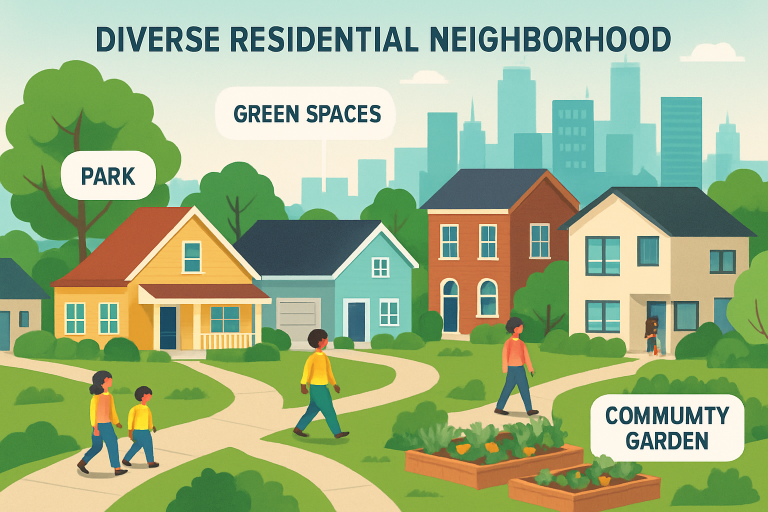
Today’s environmentally conscious buyers look for neighborhoods that offer more than just green lawns. Priorities now include proximity to public transportation, pedestrian-friendly layouts, and access to community gardens. Features such as energy-efficient homes, solar panels, and recycling programs are increasingly common. Communities that commit to eco-friendly infrastructure and policies often become magnets for like-minded buyers, further sustaining property values and local pride.
 Shared Living Spaces and Virtual Communities
Shared and communal living arrangements, once associated only with urban millennials, now attract a broader spectrum of homebuyers seeking stronger connections and resource sharing. Co-housing units, neighborhood co-ops, and virtual community groups foster a sense of belonging and mutual support. This growing trend reflects a societal shift toward collaboration, shared costs, and flexible living, often appealing to remote workers and those interested in sustainable urban lifestyles.
Local Amenities and Infrastructure
Homes situated near quality schools, reliable public transportation, comprehensive healthcare centers, and vibrant retail districts tend to hold and gain value. Homes in walkable neighborhoods with maintained streets, robust utility grids, and recreational facilities are usually in greater demand. For families and individuals alike, the convenience and quality of local amenities play a critical role in whether a neighborhood feels truly livable.
Conclusion
Staying informed on neighborhood trends is crucial for every aspiring homeowner. By considering economic factors, community dynamics, technological advancements, and the quality of local infrastructure, buyers can ensure their chosen neighborhood aligns not only with current lifestyle needs but also with long-term financial and personal goals. Diligent research and staying up to date with trusted resources will empower smart, confident home-buying decisions that stand the test of time.