
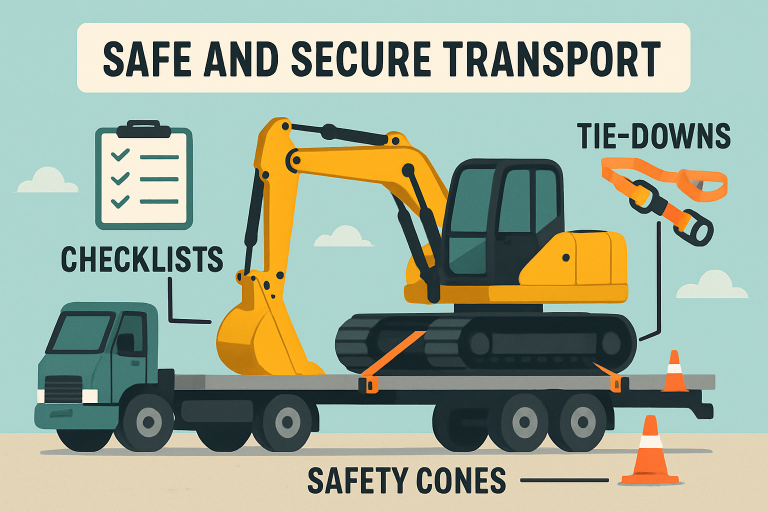
Transporting heavy equipment using trailers presents unique challenges that demand careful attention to safety. The risk to property, equipment, and especially human life makes it crucial for every operator to understand and adhere to best practices. Whether you are moving machinery across a job site or hauling oversized loads across state lines, using reliable material handling trailers is only the first step in ensuring a safe journey.
Adopting comprehensive safety protocols is crucial for minimizing incidents and ensuring compliance with all relevant legal requirements. Developing a consistent process for preparing your load, securing your trailer, and adhering to regulations can significantly reduce the likelihood of accidents and equipment failures. By investing in proper planning and vigilance, every trip becomes safer—not only for the driver but also for every other road user.
Irrespective of experience level, trailer operators benefit significantly from a systematic approach to equipment transport. This involves more than a simple vehicle check; it means understanding the physics of load distribution, staying up-to-date with evolving regulations, and taking a proactive stance toward equipment maintenance. The following guide details each of these critical concepts and provides practical steps to integrate them into your daily routines.
Keeping up with safety innovations and regulatory updates isn’t just good practice—it’s a foundational aspect of professional responsibility. Recognizing the unique demands of equipment transport and adjusting your procedures accordingly protects your investment and reputation.
Pre-Trip Inspection
A meticulous pre-trip inspection is the cornerstone of safe equipment hauling. Before every haul, operators should methodically examine the entire rig, including:
- Inspecting the trailer’s frame for cracks, corrosion, or other structural deficiencies.
- Checking all tires for proper inflation levels, adequate tread, and visible damage.
- Verifying the functionality of lights, signals, and reflectors in accordance with Department of Transportation standards.
- Evaluating tie-down devices—chains, binders, ratchet straps—to ensure there are no signs of fraying, stretching, or broken hardware.
Consistent inspections enable operators to detect small problems before they escalate, helping to avoid dangerous breakdowns or delays while on the road.
Proper Weight Distribution
Ensuring that the weight of your load is distributed evenly across the trailer’s axles is vital for stability. Poor weight distribution can cause trailer sway, increased wear and tear on tires, and the potential for rollovers. Typically, heavier equipment should be positioned ahead of the trailer’s axle to keep approximately 60% of the load in the front half of the trailer bed. This prevents uplift on the hitch and helps maintain a level balance between the trailer and tow vehicle.
Consulting your trailer’s manual and utilizing load calculators can provide detailed guidance for achieving optimal load placement and balance for different types of loads and trailer models.
Securement of Loads
Correctly securing your cargo is not just a best practice—it’s the law. The Federal Motor Carrier Safety Administration (FMCSA) requires cargo to be firmly immobilized or secured on or within the transport vehicle. Securing loads involves:
- Choosing robust chains, straps, and tie-downs rated for the weight of the specific equipment.
- Positioning and tightening tie-downs at all critical points to prevent even minimal movement.
- Inspecting securement devices midway during trips, especially over long distances or rough terrain.
Operators should refer to the comprehensive FMCSA cargo securement rules, available on the FMCSA’s official guidelines, for complete regulations and best-practice procedures.
Adherence to Regulations
Compliance is critical in trailer hauling, as regulations may vary across federal, state, and local jurisdictions. These regulations govern everything from total load weights and trailer dimensions to escort vehicle requirements and necessary permits for oversized or hazardous loads. Being fully informed about the current laws in every state where you operate is non-negotiable; failure to comply can result in fines, impoundment, or more severe legal consequences.
Staying current with changing regulations requires proactive research and ongoing education for transport personnel. The U.S. Department of Transportation regularly updates rules and resources relevant to commercial drivers and fleet operators.
Safe Driving Practices
Driving with a heavily loaded equipment trailer requires a fundamental change in technique compared to standard vehicle operation. Safe behaviors include:
- Maintaining a greater following distance to compensate for longer stopping times.
- Traveling at reduced speeds and taking turns carefully to avoid destabilizing the trailer.
- Use extended mirrors and be especially vigilant of blind spots.
- Executing gradual lane changes and braking to reduce the risk of jackknifing or losing control.
Operators should also account for adverse weather conditions, such as strong winds or rain, which can significantly impact trailer handling and stopping distances.
Regular Maintenance
Routine checks and servicing of both trailers and towing vehicles are essential for long-term reliability and safety. Maintenance best practices include:
- Inspecting and replacing tires that show signs of excessive wear or damage.
- Testing and servicing brakes routinely to ensure maximum stopping power.
- Checking hydraulic, electrical, and lighting systems for leaks or malfunctions.
- Lubricating wheel bearings, chassis points, and moving joints to reduce friction and prevent breakdowns.
Scheduling preventive maintenance and maintaining detailed records contribute significantly to safety standards and regulatory compliance.
Conclusion
Ensuring the safe transport of heavy equipment on trailers requires commitment, diligence, and ongoing education. By embracing thorough inspections, prioritizing weight balance, securing every load, adhering strictly to current regulations, and maintaining all equipment regularly, operators not only protect their assets but also enhance the safety of everyone on the road. Incorporating these practices into your routine is both a legal obligation and a professional imperative, ensuring efficient and secure equipment transport every time.