
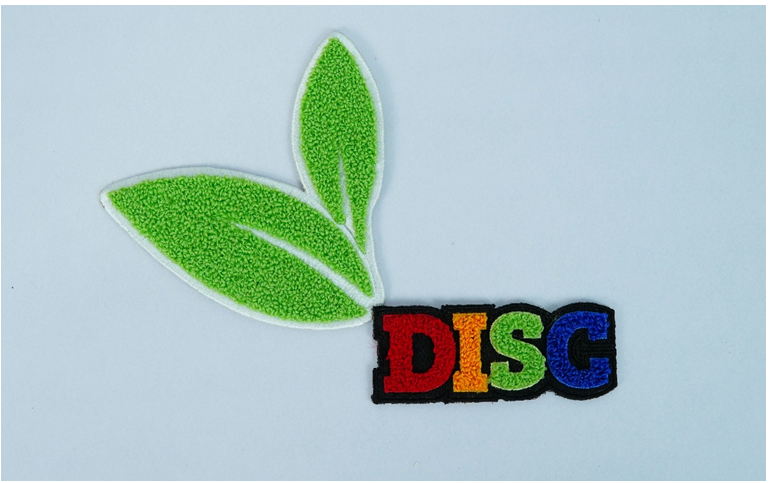
With time, people have started to lean more towards items that can be customised or that are already personalized. According to Deloitte, one in five consumers is willing to pay a 20% premium for personalized products, showing just how much value people place on customization. Patches make it easier for people to personalise their belongings.
Patches have been around for decades. They have evolved from practical repairs on work clothes to stylish emblems that showcase identity, creativity, and pride. Today, they’re everywhere—on denim jackets, uniforms, backpacks, hats, and even shoes.
Here’s the catch, though: applying patches isn’t always as straightforward as it looks. What should be a quick DIY project often turns into a frustrating mess of peeling edges, burnt fabric, or patches that fall off after the first wash.
But the good news is that these mistakes are entirely avoidable once you know what to look out for. Below, we’ll explore the most common errors people make when applying patches and how you can fix them for good.
6 Mistakes People Usually Make When Applying Patches
A patch can symbolize a team, commemorate an event, or simply show your love for a sport, like a bowling pin patch. Patches hold great meaning, which is why people love customizing their gear with them. Let’s look at 6 common mistakes people often make while applying, and how you can avoid them.
Mistake 1: Choosing the Wrong Surface for Your Patches
Selecting the incorrect surface is one of the first errors that occurs before the patch ever comes into contact with the fabric. Ignoring the fact that not all materials are designed to withstand patch application almost always results in disappointment. So save your beloved chenille patches by choosing a suitable material to attach them to.
Appropriate surfaces provide the patch with the sturdiness and traction it needs to remain in place. Attempting to apply them to spandex or silk will probably result in a weak connection and puckering fabric. The rule of thumb is simple: if the fabric can’t handle heat, pressure, or stitching, it’s probably not patch-friendly. Taking a few minutes to choose the right foundation ensures your patches look sharp and stay put for the long haul.
Mistake 2: Applying Heat Incorrectly
Iron-on patches seem easy in theory. All you need to do is grab an iron and press, right? Unfortunately, heat application is where many people stumble. While too much heat can burn the patch, scorch the cloth, or even stain it, too little heat hardly activates the glue. On delicate materials, the wrong temperature can ruin the garment altogether.
Proper heat application is about balance. Remember to preheat your iron to the recommended setting, use medium to firm pressure, and resist the urge to slide the iron around. Instead, press down steadily for the suggested time, allowing the adhesive to fully bond.
Mistake 3: Ignoring the Edges
Many people focus on securing the center of the patch, forgetting that the edges matter just as much, if not more. In many ways, the edges act like the frame of a picture. They’re what give the final product its sharp, complete look. Even if the middle is firmly attached, loose edges will curl up after the first few wears, snag during washing, or catch on everyday items like bags and straps. Before long, your patch will start to look sloppy and worn out.
The solution is simple but requires attention to detail. If you’re ironing, pay extra attention to the borders, pressing firmly around the edges until you’re sure the adhesive has melted evenly. For sew-on patches, neat and consistent stitching around the entire perimeter prevents lifting while giving the patch a polished and professional finish.
Mistake 4: Forgetting to Prep the Fabric
Think of applying a patch like painting a wall. You wouldn’t start painting over dust or grease, right? So, the same logic applies here as well. Applying patches to dirty, oily, or wrinkled fabric is one of the most common mistakes people make. Oils block adhesives from bonding, and wrinkles stop the patch from lying flat, which means you’ll get uneven adhesion right from the start.
Prepping the fabric is an easy but crucial step. Before beginning, remember to wash it thoroughly without a fabric softener since it leaves behind residue, dry it completely, and press out any wrinkles. Even brand-new clothes can benefit from a quick wash and press, since factory finishes sometimes include coatings that interfere with adhesives. Skipping this step may not show immediate consequences, but after a few washes, you’ll see peeling, shifting, or bubbling around the patch.
Mistake 5: Not Reinforcing for Durability
A common misconception is that once a patch is ironed or sewn on, the job is finished. While this might work for decorative pieces on light-use items, anything that gets frequent wear and tear needs reinforcement. Think of work uniforms, backpacks, or jackets that are constantly exposed to movement, washing, and weather. Without reinforcement, even the best-applied patch can come loose over time.
For iron-on patches, adding a quick stitch around the perimeter greatly extends their life. Sew-on patches, meanwhile, benefit from strong thread, double stitching at stress points, and a knotting technique that ensures the thread doesn’t unravel.
Mistake 6: Washing Too Soon After Application
After wrapping up a patch project, it’s super tempting to just throw that garment right into the wash. But please hold on! That’s one of the fastest ways to ruin all your hard work. Those adhesives need some time to cure and really set. If you wash too soon, you’re basically stopping a solid bond from forming.
As a good rule of thumb, give it at least 24 to 48 hours before the first wash. When you do get around to washing it, turn it inside out, use cold water, and pick a gentle cycle. And watch out for high-heat drying because that’s a real enemy of patches! It can weaken the adhesives and make the edges lift. Air drying is definitely the safest bet if you want your patches to stay put. A little patience now can save you a lot of hassle down the road!
Parting thoughts
Patches are a timeless way to personalize clothing and accessories, blending practicality with creativity. But as simple as they may seem, successful application depends on avoiding a handful of common mistakes. Things like choosing the right surface and prepping your fabric are all small but critical details that make a big difference.
When done right, patches tell stories, showcase pride, and add lasting character to whatever they’re applied to. Whether you’re rapping your team, commemorating an event, or simply adding a unique touch to your wardrobe, mastering these basics will ensure your patches remain as vibrant and secure as the day you applied them.