
Introduction
Modern architectural and interior design studios are at the forefront of creating visually stunning and highly functional spaces, utilizing an expanding toolbox of innovative strategies to shape how we experience our built environments. As client demands evolve and technology advances, design professionals must stay ahead of trends to remain competitive and meet shifting expectations. Early adopters such as the Arch 11 Firm are setting benchmarks within the industry by demonstrating how innovation fuels creativity, sustainability, and performance in every project.
This article examines the most influential approaches integrated within studios today, focusing on how these strategies contribute to well-being, sustainability, and technology-driven design. The rise of techniques such as biophilic design, adaptive reuse, and artificial intelligence has made it possible to reimagine historic and contemporary spaces—ensuring that the modern built environment is as intelligent as it is inspiring.
With studios thoughtfully incorporating minimalism, industrial aesthetics, and smart home technology, projects are now more attuned to inhabitants’ psychological and practical needs. These emerging design philosophies not only redefine style but also underscore a deep commitment to enhancing quality of life, reducing environmental impact, and embracing digital transformation.
The integration of digital technology and new materials continues to generate fresh perspectives and broaden creative horizons, as seen in how both established firms and emerging designers are leveraging tools like 3D printing, virtual reality, and advanced data analysis to advance the industry.
Biophilic Design
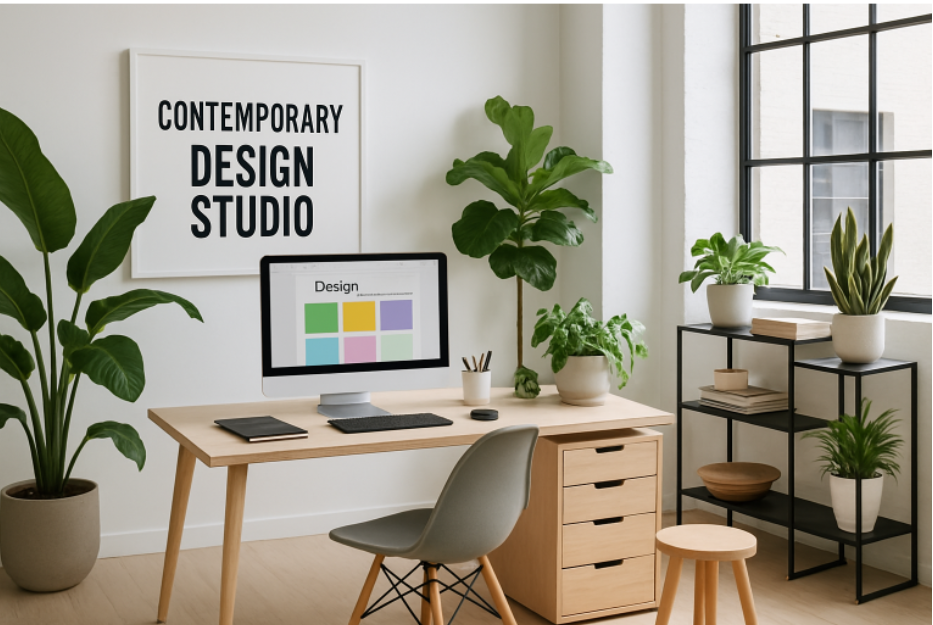
Biophilic design, which centers on reconnecting people with the natural world, has become foundational in architecture and interior design. By bringing greenery, water features, and natural light into spaces, designers promote emotional and psychological well-being, creating environments that reduce stress and enhance cognitive function. According to a Forbes report, these principles are especially prominent in modern workspaces, where well-designed biophilic elements contribute to employee happiness and productivity.
 Minimalism and Scandinavian Design
Minimalism and Scandinavian influences prioritize simplicity, uncluttered layouts, and the use of natural materials. These movements are characterized by clean lines, functional design, and muted palettes that create serene and orderly environments. Timeless and adaptable, these styles encourage mindfulness within the home or workplace, supporting a sustainable, less-is-more ethos with global appeal.
Adaptive Reuse and Upcycling
The adaptive reuse of older buildings and the creative upcycling of materials are critical strategies for sustainable development. Adaptive reuse involves giving new life to historically significant structures or underused spaces, saving resources, minimizing construction waste, and maintaining a tangible sense of place. Through upcycling, discarded or reclaimed materials are transformed into bespoke furnishings or finishes, adding originality and character. A notable example is the conversion of industrial warehouses into modern office environments, where exposed brick and aged beams serve as a bridge between past and present.
Integration of Smart Home Technology
Smart home integration has changed how occupants interact with their spaces, making interiors attractive and responsive. Automated lighting, climate control, and advanced security systems bring a new level of convenience, as users personalize settings for comfort and efficiency. Technology adds value and allows designs to adapt readily to evolving lifestyles—features increasingly cited as must-haves in residential and commercial projects, according to The New York Times.
Industrial Chic Aesthetic
The industrial chic style embraces raw and unfinished materials—metals, exposed ductwork, concrete, and salvaged wood—set against polished, modern furnishings and lighting. This aesthetic speaks to authenticity and urban sophistication, transforming once-utilitarian elements into focal points. Industrial chic has seen a surge in popularity, particularly in loft conversions and restaurant interiors, where the interplay of old and new produces visually dynamic and memorable spaces.
Artificial Intelligence in Architecture
AI is transforming how architects design, visualize, and optimize projects. Machine learning algorithms can swiftly analyze client needs, building codes, and sustainability metrics, offering design alternatives that might otherwise go unexplored. This not only streamlines the planning phase but also introduces heightened creativity powered by data. For a deeper exploration of AI’s impact on design, the article on Artificial Intelligence in Architecture provides further insights into these transformative tools.
Emerging Designers and Digital Technology
The landscape of architecture and interiors is rapidly evolving, thanks partly to the ingenuity of emerging designers leveraging cutting-edge technologies. With digital fabrication (including 3D printing), VR walkthroughs, and parametric modeling, new design possibilities are now attainable, allowing custom solutions tailored to individual experiences. Notable examples include young studios using immersive visualization tools to engage clients and mock up complex geometries. This Architect Magazine article profiles one such trend and several pioneering designers.
Conclusion
Today’s architectural and interior design studios are redefining the built environment by integrating nature, promoting simplicity, and harnessing technology. From biophilic workplaces and minimalistic homes to smart, adaptive spaces and AI-driven concepts, these forward-thinking strategies collectively enhance functionality and beauty while supporting sustainability and occupant well-being. As designers continue to blend tradition with innovation, the future of architecture and interiors promises ever more engaging, efficient, and enriching spaces for all.