
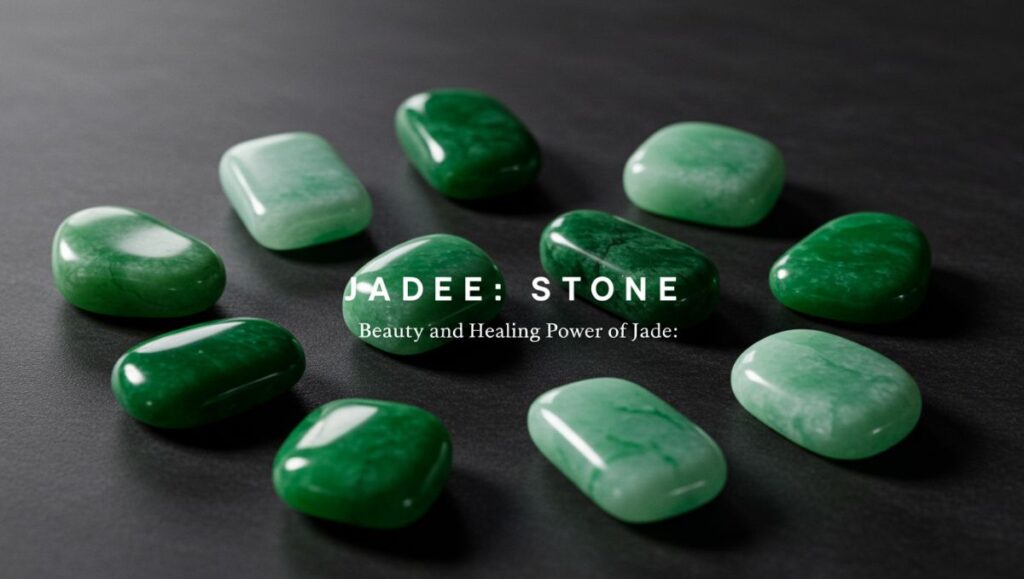
Since ancient times, stones and crystals have been valued as sources of energy, harmony, and beauty. Among them, the jade stone holds a special place. Known for its soothing green shades and smooth surface, jade is popular not only in jewelry but also in wellness and spirituality. Across cultures, it has symbolized purity, balance, and protection, making it one of the most treasured gemstones in the world.
What Is Jade Stone?
The jade stone is a mineral from the pyroxene group, most often found in green colors, though it can also appear in white, lavender, or yellow tones. It is often confused with nephrite, another type of jade, but they are distinct minerals with similar qualities.
Jade is traditionally used for:
-
Jewelry (necklaces, rings, bracelets)
-
Decorative objects
-
Massage and beauty tools (such as face rollers and gua sha stones)
-
Spiritual and healing purposes
Historical Importance of Jade
The jade stone carries deep cultural meaning across civilizations:
-
China – Called the “stone of heaven,” it symbolized wisdom, peace, and prosperity.
-
Mesoamerica – The Mayans and Aztecs believed jade had protective and healing powers.
-
Europe – Jade reached Europe through trade routes and became a sought-after gemstone in royal collections.
In many traditions, jade has been linked with good fortune, health, and longevity.
Healing and Spiritual Properties of Jade
1. Harmony and Balance
Jade is believed to calm the mind, dispel negative energy, and restore inner peace.
2. Health Support
Traditionally, jade has been associated with strengthening the kidneys, heart, and nervous system.
3. Prosperity and Protection
Wearing jade jewelry is thought to attract luck, wealth, and protection from misfortune.
4. Beauty and Vitality
Jade massage tools, such as gua sha stones, help stimulate circulation, improve skin elasticity, and give a youthful glow.
Modern Uses of Jade Stone
-
In beauty – Jade rollers and gua sha stones are popular in skincare routines.
-
In jewelry – Elegant jade rings, pendants, and bracelets are worn for both style and symbolism.
-
In interior design – Jade decorative pieces bring harmony and luxury into living spaces.
-
In meditation – Used to promote focus, mindfulness, and calm energy.
Choosing and Caring for Jade Stone
When buying jade, it’s important to consider:
-
Color and transparency – High-quality jade has even, vivid tones.
-
Origin – The finest jade often comes from Myanmar (Burma).
-
Treatment – Natural jade is more valuable than chemically treated stones.
Care tips include gentle cleaning with warm water, storing separately from harder stones, and recharging under sunlight or moonlight.
The Future of Jade Stone
With the rise of holistic living and wellness, the jade stone continues to grow in popularity. Its future lies in:
-
Holistic medicine and healing practices
-
Luxury beauty and skincare products
-
High-end jewelry and fashion
-
Eco-conscious interior design
Timeless in both beauty and meaning, jade will always remain a symbol of harmony and prosperity.
Conclusion
The jade stone is more than just a gemstone—it is a symbol of peace, health, and abundance. From ancient civilizations to modern wellness trends, jade continues to inspire admiration and respect. Whether worn as jewelry, used in beauty rituals, or kept as a meditation stone, jade offers not only elegance but also positive energy and balance.