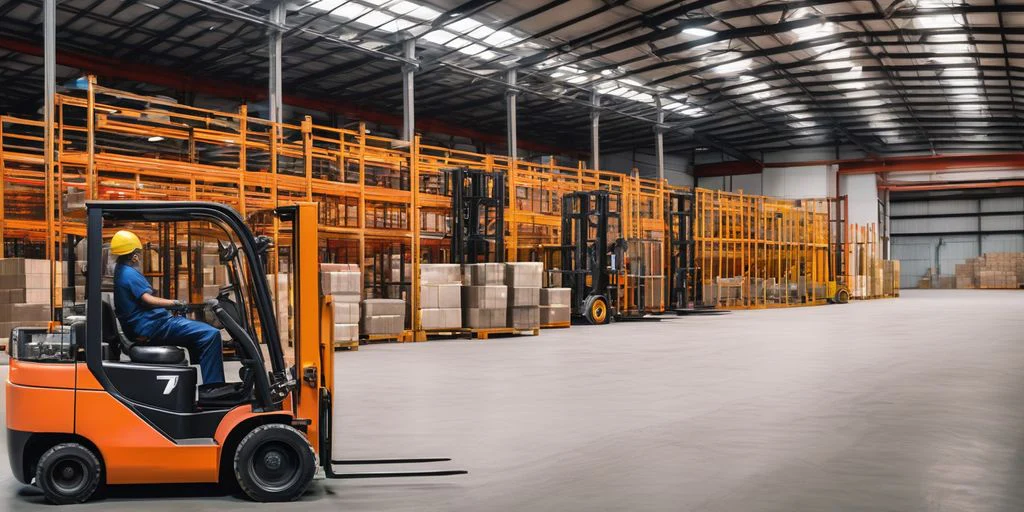
The forklift industry is undergoing a major transformation, driven by technological advances in automation, energy systems and digital integration. These changes are not only reshaping how warehouses operate but also redefining what businesses look for when sourcing materials handling equipment. Toyota Material Handling Australia (TMHA) is at the forefront of this evolution, delivering innovative solutions that support smarter, safer and more sustainable operations.
For companies looking for a fork lift for sale, understanding the technologies shaping the future of materials handling is essential to making the right investment. Below, we explore the key innovations set to transform the forklift industry in the coming years.
1. Electrification and Energy Efficiency
Electric forklifts have been steadily replacing internal combustion models in many warehouses, and this trend is only accelerating. Advances in battery technology, including lithium-ion and fast-charging systems, are reducing downtime and increasing operational flexibility.
Toyota’s electric forklift range combines powerful performance with low noise output, zero emissions and reduced maintenance requirements. These machines are ideal for indoor use and are becoming increasingly capable in outdoor and heavy-duty environments.
As energy efficiency and environmental targets grow in importance, businesses will continue to favour electric forklifts over traditional fuel-powered options.
2. Autonomous Forklifts and AGVs
Autonomous guided vehicles (AGVs) and robotic forklifts are no longer experimental. They are already being deployed in advanced logistics operations and high-volume warehouses around the world. These machines use sensors, cameras and programmed routes to transport goods with minimal human intervention.
Toyota has developed a suite of automation-ready equipment that can integrate with warehouse management systems and operate around the clock. By reducing reliance on manual labour for repetitive tasks, autonomous forklifts improve throughput, reduce injury risk and free up operators for higher-value tasks.
For businesses planning future investments, choosing a fork lift for sale that supports future automation is a strategic move.
3. Telemetry and Fleet Analytics
Smart forklift technology is giving businesses unprecedented visibility over their fleet. Toyota’s I_Site telemetry system tracks forklift usage, battery health, operator behaviour, maintenance alerts and more in real time.
These insights allow businesses to:
- Monitor productivity across multiple sites
- Optimise servicing based on usage, not time intervals
- Identify underutilised or overworked machines
- Reduce incidents through operator access controls
By turning forklifts into data-rich assets, TMHA helps clients make informed decisions that improve safety, efficiency and return on investment.
4. Human-Centred Design and Ergonomics
While much of the focus is on automation, human operators still play a critical role in many materials handling environments. New forklift designs are prioritising operator comfort, visibility and ease of use to improve productivity and reduce fatigue.
Toyota’s forklifts include features such as:
- Adjustable seating and intuitive controls
- Clear 360-degree visibility
- Smoother steering and braking systems
- Reduced vibration and cabin noise
These features not only improve daily operational performance but also contribute to long-term health and safety outcomes for drivers.
5. Sustainability and Regulatory Compliance
Sustainability is now a key purchasing criterion, especially for companies operating in regulated or consumer-facing industries. Businesses must now consider the environmental footprint of their equipment, including emissions, energy use and recyclability.
Toyota’s commitment to sustainability is reflected in its growing range of energy-efficient electric models and its focus on reducing lifecycle costs. Selecting a fork lift for sale that aligns with green procurement goals can also support ESG reporting and customer trust.
6. Warehouse Integration and Digital Connectivity
Modern forklifts are increasingly being designed to work within connected ecosystems. Whether it’s linking with warehouse management software, enterprise systems or predictive maintenance platforms, integration capability is becoming a standard requirement.
Toyota’s equipment is built for compatibility with digital infrastructure, allowing seamless data sharing and automation across operations. This reduces errors, improves stock accuracy and streamlines logistics from dispatch to delivery.
As warehouses continue to digitalise, the ability to integrate forklifts into broader systems will be essential.
Final Thoughts
The forklift industry is moving beyond simple mechanical handling into a new era defined by intelligence, automation and sustainability. For Australian businesses, staying ahead means investing in technologies that not only meet today’s needs but also support tomorrow’s opportunities.
Toyota Material Handling Australia offers a forward-thinking range of products and services designed to help clients navigate this shift. If you are looking for a fork lift for sale that delivers performance, innovation and long-term value, visit Toyota Material Handling to explore our range and speak with one of our specialists today.