
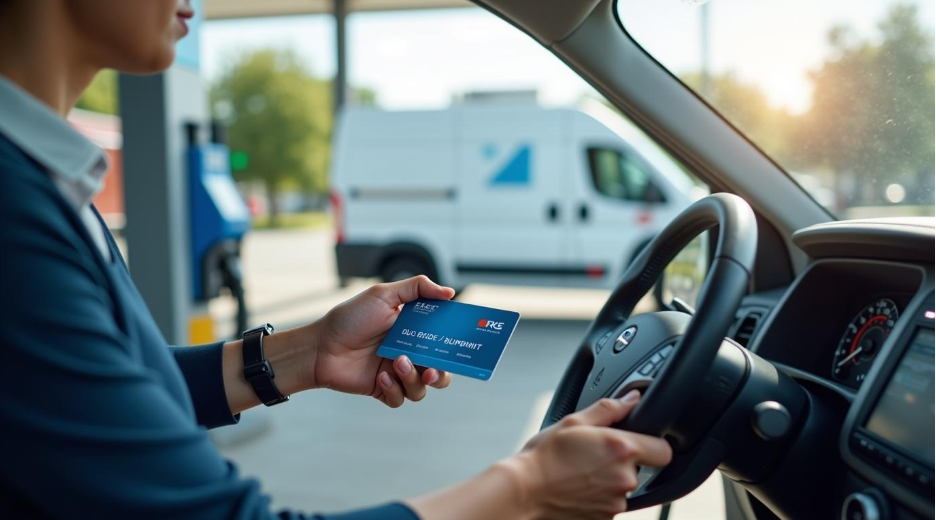
The Shell fleet fuel card provides businesses with comprehensive fuel management solutions, offering acceptance at over 14,000 Shell and participating stations across the United States. Fleet managers seeking efficient fuel card options can explore detailed comparisons and reviews at Shell fleet fuel card resources to determine the best fit for their operations. With nationwide coverage spanning from major highways to local service roads, Shell’s network ensures your drivers have reliable access to fuel, maintenance services, and convenience store amenities wherever business takes them.
Shell Fleet Card Acceptance and Station Network
Shell fleet cards work at all Shell-branded stations nationwide, plus thousands of additional locations through partnership networks. The Shell Fleet Navigator card extends acceptance to 95% of U.S. fueling stations, including competitors like ExxonMobil, BP, and Chevron. This broad network eliminates range anxiety for long-haul fleets operating across multiple states. Shell Fleet Plus cards focus primarily on Shell stations but include strategic partners for comprehensive coverage in key business corridors.
Beyond traditional fuel purchases, cardholders access maintenance services at over 1,800 Jiffy Lube locations nationwide. These partnerships enable consolidated billing for oil changes, tire rotations, and preventive maintenance, streamlining expense management for fleet operations. The integration between fuel and service networks creates operational efficiency by reducing administrative overhead and simplifying vendor relationships.
Fleet Management Tools and Analytics
Shell’s fleet management platform delivers real-time insights through web-based dashboards and mobile app functionality. Fleet managers monitor fuel spending patterns, track vehicle efficiency metrics, and identify cost-saving opportunities through comprehensive reporting tools. The system generates automated alerts for unusual purchase patterns, helping prevent fraud before it impacts your bottom line.
Advanced analytics track gallon consumption per vehicle, compare driver fuel efficiency, and benchmark performance against industry standards. These data-driven insights enable informed decisions about route optimization, vehicle replacement timing, and driver training needs. The platform integrates with popular fleet management solutions, creating a unified view of operational metrics across your entire fleet.
Maximizing Fuel Card Rebates and Savings
Shell fleet cards offer tiered rebates based on monthly gallon volume, with savings ranging from 2 to 6 cents per gallon for qualifying accounts. Small business fleets consuming 1,000 gallons monthly typically save $240-$720 annually through rebate programs alone. Larger fleets accessing higher tier rebates can reduce fuel costs by thousands of dollars each billing cycle.
Additional discounts apply to non-fuel purchases, including 10% savings on convenience store items and special pricing at Jiffy Lube service centers. Strategic use of these benefits compounds savings across multiple expense categories. Fleet managers optimize rebates by consolidating purchases within billing cycles and directing drivers to Shell stations when pricing remains competitive.
Security Features and Fraud Prevention
Modern fleet cards incorporate multiple security layers protecting against unauthorized use and fraudulent transactions. Driver IDs paired with vehicle-specific cards create accountability while purchase controls limit spending by amount, frequency, or product category. Real-time transaction monitoring flags suspicious activity, enabling immediate card deactivation through online admin portals or mobile apps.
Risk management features include customizable spending limits, time-of-day restrictions, and geographic boundaries for card usage. Exception reports highlight transactions outside normal patterns, such as premium fuel purchases for vehicles requiring regular grade or multiple transactions within short timeframes. These controls reduce fraud risk while maintaining operational flexibility for legitimate business needs.
Shell Card Business vs Business Flex Options
Shell Card Business serves traditional fleets requiring consistent fuel access at competitive prices with straightforward billing. This option suits companies with predictable routes and established fueling patterns. The card provides essential controls and reporting without complex features that smaller operations may not need.
Shell Card Business Flex accommodates diverse fleet needs including mixed vehicle types, variable routing, and EV charging requirements. Enhanced flexibility allows customization of controls per driver or vehicle group. The Flex option integrates advanced telematics data, supporting sophisticated fleet optimization strategies. Both cards offer online account management, but Flex provides deeper analytical capabilities for data-driven operations.
Benefits for Different Business Types
Construction companies leverage Shell fleet cards to manage equipment fueling at job sites while tracking costs by project. Delivery services use real-time monitoring to optimize routes and reduce fuel waste. Sales teams benefit from nationwide acceptance ensuring consistent service regardless of territory. Transportation companies appreciate consolidated billing simplifying accounting across multiple vehicles and drivers.
Small business owners gain enterprise-level fuel management capabilities without significant infrastructure investment. The scalability of Shell’s solutions accommodates growth from single vehicles to large fleets. Integration capabilities ensure continuity as businesses adopt more sophisticated management systems. This flexibility makes Shell fleet cards viable for startups through established enterprises.
Payment Terms and Billing Cycle Management
Shell fleet accounts offer flexible payment terms aligned with business cash flow requirements. Standard billing cycles provide 7-10 day payment windows, while extended terms accommodate specific industry needs. Electronic payments streamline processing, reducing administrative burden and ensuring timely account reconciliation. Detailed invoices break down purchases by driver, vehicle, and location, simplifying expense allocation and tax reporting.
Account management tools enable spending forecasts based on historical trends and planned operations. Automated alerts notify administrators approaching credit limits or unusual spending patterns. This proactive approach prevents service interruptions while maintaining financial control. Multiple payment methods including ACH, wire transfer, and credit card accommodate diverse business preferences.
Implementation Best Practices for Fleet Cards
Successful fleet card deployment begins with clear policies defining acceptable use and consequences for violations. Training drivers on proper card usage, security protocols, and expense documentation ensures compliance from day one. Regular audits comparing fuel purchases to vehicle odometer readings identify potential misuse or maintenance issues affecting efficiency.
Establish baseline metrics before implementation to measure program effectiveness. Monitor key performance indicators including cost per mile, average fuel price paid, and rebate capture rates. Review exception reports weekly during initial rollout, adjusting controls based on operational realities. Communicate savings achievements to stakeholders, reinforcing program value and encouraging continued compliance.
Technology integration maximizes fleet card value through automated data flow between systems. Connect fuel card data with GPS tracking, maintenance schedules, and accounting software for comprehensive fleet visibility. Use mobile apps enabling drivers to locate nearby stations, check balances, and report card issues immediately. These tools transform fuel cards from simple payment methods into strategic management assets driving operational excellence.