
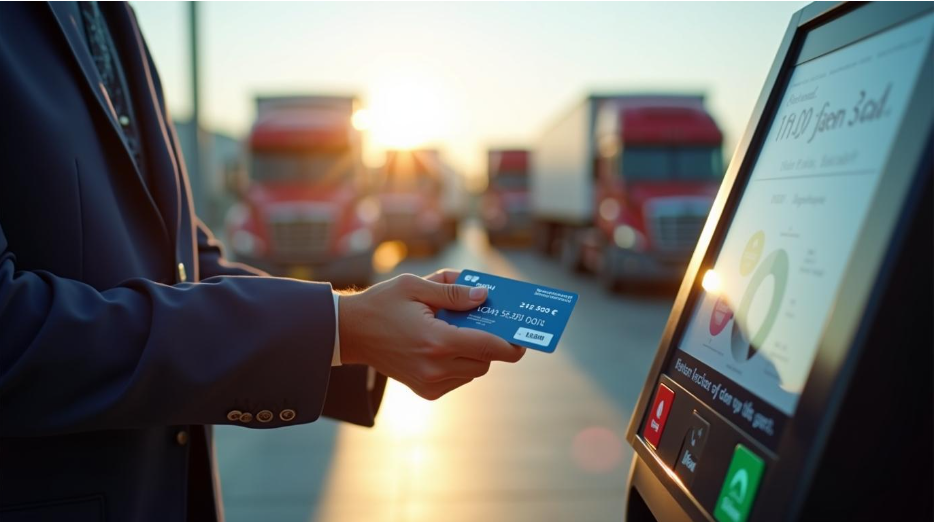
Fleet Cards: What They Are & Why Businesses Use Them
Fleet cards represent a specialized payment solution that enables businesses to manage vehicle-related expenses with unprecedented control and visibility. Companies operating multiple vehicles use fleet cards to streamline fuel purchases, track spending patterns, and reduce administrative burden while accessing substantial rebates at thousands of gas stations nationwide. These cards function similarly to credit cards but offer enhanced purchase controls, real-time transaction monitoring, and detailed reporting specifically designed for fleet management needs. Chevron fleet cards offer exclusive discounts and streamlined payment processing at their locations.
The fundamental advantage of fleet cards lies in their ability to transform chaotic fuel expense management into a structured, data-driven process. Unlike traditional payment methods, fleet cards automatically capture transaction details including driver identification, vehicle information, odometer readings, and gallons purchased, creating a comprehensive digital trail for every purchase. This granular data collection eliminates manual expense reports, reduces accounting errors, and provides fleet managers with actionable insights into vehicle performance and driver behavior.
How Fleet Cards Work and Core Features
Fleet fuel cards operate through a sophisticated network of merchant partnerships and processing systems that verify, authorize, and record each transaction in real-time. When drivers present their card at participating locations, the system validates purchase controls set by management, checks spending limits, and ensures compliance with company policies before approving the transaction. The entire process takes seconds while capturing critical data points that traditional payment methods cannot track.
Modern fleet card platforms integrate advanced security features including PIN requirements, product restrictions, and geographic limitations to prevent fraud and misuse. Administrators can configure cards to only allow fuel purchases during specific hours, limit transactions to certain dollar amounts, or restrict usage to designated gas stations within their operational territory. These controls significantly reduce the risk of unauthorized spending while maintaining convenience for legitimate business operations.
Fleet Card Benefits for Business Operations
The operational benefits of implementing a fleet card program extend far beyond simple payment processing. Companies report average fuel savings of 15-20% through a combination of negotiated discounts, rebate programs, and improved spending visibility. Real-time alerts notify managers of suspicious transactions, unusual purchasing patterns, or attempts to exceed predetermined limits, enabling immediate intervention when problems arise.
Fleet cards eliminate the need for drivers to carry cash or use personal credit cards for business expenses, reducing reimbursement processing time by up to 80%. The automated expense tracking capabilities integrate seamlessly with existing accounting systems, generating detailed reports that simplify tax preparation and budget planning. Many businesses discover hidden cost-saving opportunities through business fueling cards delivering analysis of their fleet fuel costs and maintenance patterns revealed by comprehensive transaction data.
Maximizing Fuel Savings Through Strategic Card Usage
Successful fleet card implementation requires understanding how to leverage available rebates and discounts effectively. Most programs offer tiered rebate structures based on monthly gallon volume, with larger fleets earning higher per-gallon savings. Additional discounts apply when drivers fuel at preferred network locations, creating opportunities for substantial cost reduction through strategic route planning.
The key to maximizing savings involves analyzing historical fuel costs data to identify spending patterns and optimization opportunities. Fleet managers can use reporting tools to track which vehicles consume the most fuel, which drivers exhibit inefficient driving habits, and which routes generate unnecessary expenses. This insight enables targeted interventions that improve overall fleet efficiency while reducing operational costs.
Security and Fraud Prevention Measures
Fleet cards incorporate multiple layers of security to protect against fraud and unauthorized usage. Real-time monitoring systems flag suspicious transactions based on customizable parameters such as unusual purchase amounts, frequent transactions within short timeframes, or attempts to buy non-fuel products when restrictions are in place. These automated alerts enable immediate card deactivation, preventing further losses while investigations proceed.
Advanced analytics platforms use machine learning algorithms to detect emerging fraud patterns before they cause significant damage. The system analyzes transaction histories across the entire network, identifying anomalies that might indicate compromised cards or coordinated fraud attempts. This proactive approach to security provides businesses with confidence that their fleet expenses remain under control.
Purchase Controls and Spending Management
Comprehensive purchase controls represent one of the most valuable features of modern fleet cards. Administrators can establish spending rules at multiple levels, from company-wide policies to individual driver restrictions. These controls include daily or weekly spending limits, product category restrictions, merchant type limitations, and time-based access rules that align with operational requirements.
The flexibility of purchase control systems allows businesses to adapt their policies as needs evolve. Seasonal businesses can adjust spending limits during peak periods, while companies expanding into new territories can modify geographic restrictions accordingly. This dynamic approach to expense management ensures that fleet cards continue supporting business growth without compromising financial control.
Reporting and Analytics Capabilities
Fleet card reporting systems transform raw transaction data into actionable business intelligence. Customizable dashboards display key performance indicators including fuel efficiency metrics, cost per mile calculations, and vehicle utilization rates. These insights enable data-driven decision-making that improves operational efficiency while reducing unnecessary expenses.
Advanced analytics tools identify trends and patterns that manual analysis might miss. For example, the system might reveal that certain vehicles consistently require more maintenance than others, suggesting replacement considerations. Similarly, driver performance reports highlight training opportunities that could improve fuel efficiency and reduce accident risk.
Implementation Best Practices
Successful fleet card program implementation begins with thorough planning and clear policy development. Companies should establish spending guidelines, define approval hierarchies, and create accountability measures before distributing cards to drivers. Training programs ensure that all users understand proper card usage, security protocols, and reporting requirements.
Regular monitoring and adjustment of card programs maximize their effectiveness over time. Monthly reviews of spending reports, exception alerts, and rebate earnings help identify optimization opportunities. Many businesses find that engaging drivers in the cost-saving process through incentive programs increases compliance and reduces overall fuel expenses.
Choosing the Right Fleet Card Provider
Selecting an appropriate fleet card provider requires evaluating multiple factors including network acceptance, fee structures, technology capabilities, and customer service quality. The ideal provider offers extensive coverage across your operational area, competitive rebate programs, and robust reporting tools that integrate with existing business systems. Consider providers that offer dedicated account management and 24/7 customer support to ensure smooth operations.
Different fleet sizes and operational models benefit from different card programs. Small businesses might prioritize simplicity and low fees, while large fleets focus on maximum rebates and advanced analytics capabilities. Understanding your specific needs helps narrow the selection to providers that align with your business objectives and growth plans.