The Power of Collective Action in Democracy
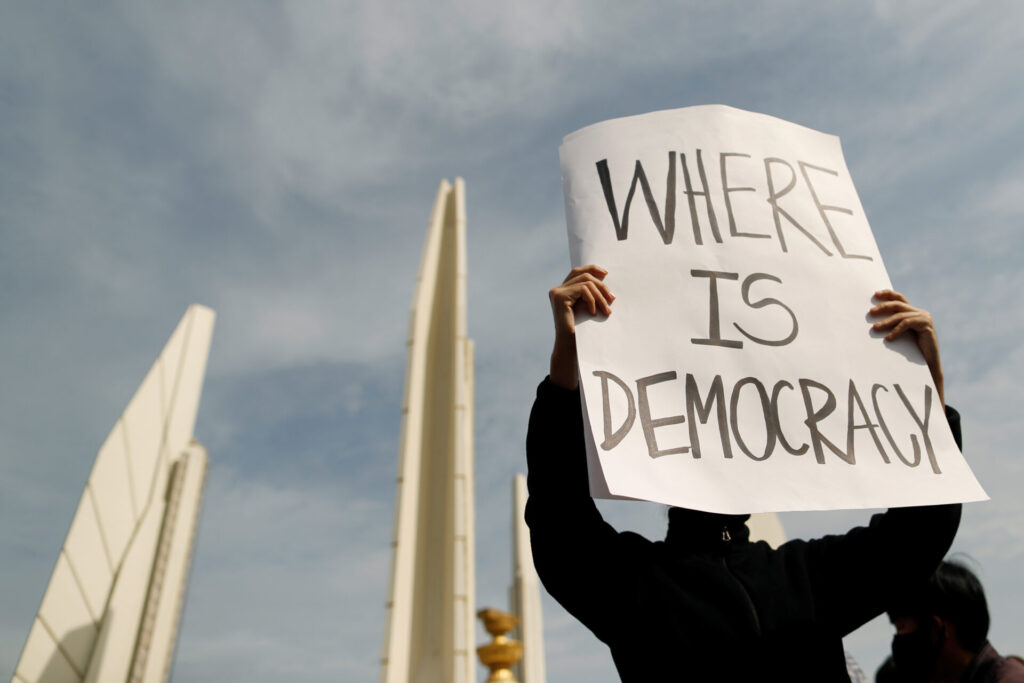
Democracy thrives when communities band together, amplifying their voices to shape policies and create real, lasting change. Grassroots organizations often lead the way, providing critical infrastructure for advocacy, education, and mutual support. For example, during pivotal elections or in the aftermath of divisive legislation, neighborhoods and local groups have organized peaceful rallies, shared resources, and conducted voter registration drives to protect their rights and demand accountability.
In today’s climate, there are growing challenges faced by those intent on defending democratic norms. Understanding how to fight against Trump’s administration and any policies that threaten the foundations of democracy requires collective commitment, informed strategies, and persistent advocacy. Mobilizing together increases the impact of every individual voice and ensures vulnerable communities are not isolated in their struggle for fairness and justice.
Education as a Defense Against Misinformation
The spread of misinformation and disinformation online remains a major threat to democratic processes. Public education programs play an essential role in equipping citizens with critical thinking skills required to scrutinize information sources and discern facts from manipulation. Schools, libraries, and community organizations offer media literacy workshops and easily accessible resources designed to foster an informed electorate.
During election season, fact-checking is vital. Tools and initiatives, such as these resources from PolitiFact, help voters verify claims in real-time, making it harder for false narratives to gain traction. Equipping communities with reliable information protects the public sphere and reinforces trust in democratic outcomes.
 Safeguarding Voting Access for All
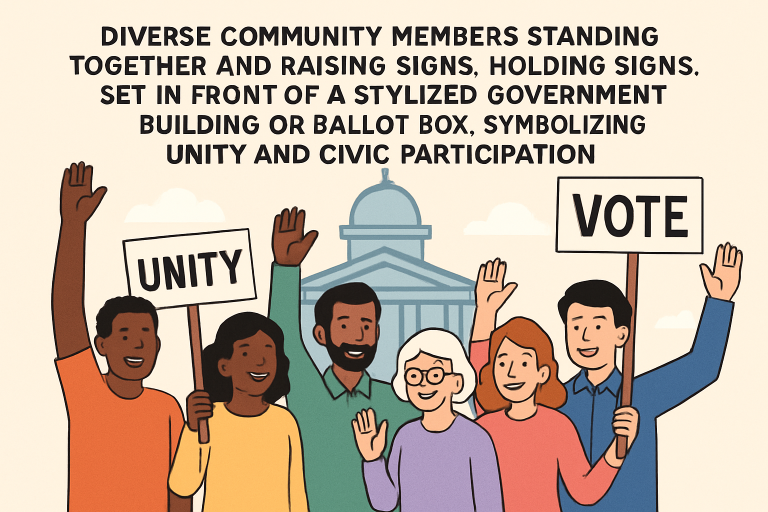
Ensuring every eligible voter has access to the ballot box is fundamental to a functional democracy. Yet, obstacles such as restrictive ID laws, limited polling locations, and voter purges have intensified in recent years. These barriers disproportionately affect marginalized groups, threatening the integrity and inclusivity of elections.
Individuals and community organizations can take action by volunteering as poll workers, disseminating information about voting rights, and challenging unjust legislation. Legal organizations continue to litigate discriminatory policies, while advocacy groups launch campaigns to expand early and mail-in voting opportunities for all.
Engaging Youth in Civic Life
Youth engagement isn’t just aspirational—it’s essential for the health and longevity of democracy. Involving younger generations in civic decisions brings innovation to problem-solving and fresh perspectives to leadership. Programs that empower students to participate in mock elections, attend city council meetings, or organize around issues they care about foster habits of lifelong civic participation.
Recent youth-led initiatives, such as nationwide marches and social media campaigns for climate justice and gun reform, have captured the public’s attention and shifted the discourse on pressing issues. By making space for youth voices, communities secure a dynamic and adaptive democratic future.
Building Trust Through Transparency
Trust between governments and the people they serve is foundational to any thriving democracy. Transparent communication—including open town halls, accessible public records, and straightforward explanations of policy decisions—bridges gaps and reduces cynicism. Communities that demand and model transparency see increased engagement and more responsive governance.
Effective transparency practices include publishing decision-making criteria, providing summaries of government meetings, and allowing for robust public comment periods on new policies and regulations. Such measures reassure citizens that their input matters and that institutions are accountable for their actions.
Coalition Building Across Social Groups
Progress accelerates when advocacy crosses boundaries of race, class, gender, and faith. Intersectional coalition building acknowledges how diverse identities interact with systemic barriers, ensuring that no one is left behind in the pursuit of justice. By working together, civic groups can pool resources, share expertise, and broaden their reach.
Recent movements for voting rights, as highlighted by The New York Times’ coverage of voting rights activists, demonstrate the influence of multi-group coalitions in shaping public debate and policy. These alliances amplify the impact of advocacy and remind us that democracy is strongest when it is most inclusive.
Policy Changes That Strengthen Democracy
Policy is where ideals are put into action. Recent years have seen both advancement and regression concerning democratic rights, from automatic voter registration in some states to efforts to restrict voting in others. Reviewing new legislation at both the national and local levels enables communities to respond quickly and advocate effectively for positive reforms.
Civic organizations can lobby for laws that expand voting access and promote transparency while opposing any policies that undermine equal participation. Residents may also attend town halls, contact representatives, or initiate petitions to urge accountable governance. The Brookings Institution provides insights into systems and reforms that have been proven to strengthen American democracy.
Looking Ahead: Sustaining Democratic Engagement
Building resilience is an ongoing process, not a one-time event. Keeping communities engaged in the long term requires creative strategies—ranging from regular civic education events to accessible channels for feedback and participation. Organizing neighborhood volunteer days or digital forums sustains momentum and keeps local issues in the spotlight.
Success in civic engagement is best measured by increased voter turnout, participation in public meetings, and the passage of inclusive policies. By continually evaluating and adapting these strategies, communities can remain a bulwark for democracy, regardless of the challenges ahead.