
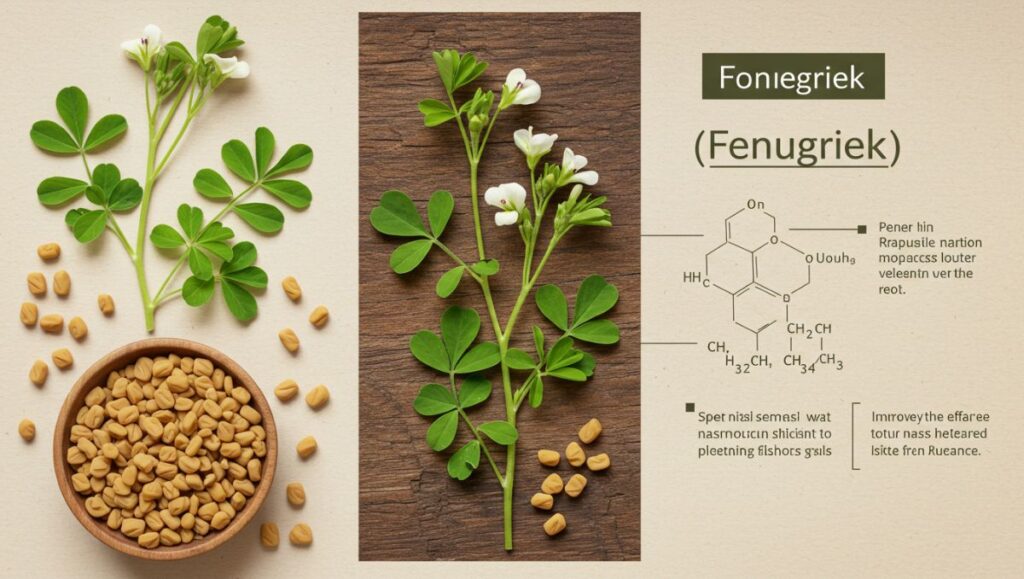
Herbs and spices have shaped human history, not only by flavoring our food but also by supporting health and wellness. Among them, foenegriek—better known internationally as fenugreek (Trigonella foenum-graecum)—stands out as one of the oldest cultivated medicinal plants. From ancient Egypt to modern Europe, foenegriek has been celebrated for its culinary uses, medicinal properties, and nutritional richness.
Today, this versatile herb is widely used in natural medicine, dietary supplements, teas, and cooking, making it a global staple that bridges tradition and science.
What is Foenegriek?
Foenegriek is a leguminous plant that belongs to the family Fabaceae. Native to the Mediterranean region, South Asia, and North Africa, it thrives in warm climates and is cultivated worldwide. The plant produces small, golden-brown seeds and edible leaves that are highly valued for their flavor and health-promoting properties.
-
Seeds: Slightly bitter, with a nutty taste, commonly used in cooking and traditional remedies.
-
Leaves: Fresh or dried leaves are used in curries, teas, and salads.
-
Supplements: Extracts and powders are sold for health and fitness purposes.
Historical Background of Foenegriek
Foenegriek has a long history of use across civilizations:
-
Ancient Egypt: Used in embalming practices, as well as a medicinal herb to improve digestion.
-
Greece and Rome: Known for its use in animal feed, as well as in remedies for respiratory and digestive problems.
-
India: A core component of Ayurvedic medicine, used for lactation, hormonal balance, and diabetes management.
-
Middle Ages (Europe): Recommended for treating inflammation and aiding women’s health.
Its name, derived from Latin foenum-graecum (“Greek hay”), reflects its importance as both a medicinal herb and a fodder plant.
Nutritional Profile
Foenegriek is not just a herb but a nutrient powerhouse. Its seeds contain:
-
Proteins and amino acids – essential for muscle growth and repair.
-
Fiber – aids digestion and supports blood sugar control.
-
Iron – important for red blood cell production.
-
Magnesium and manganese – support metabolism and bone health.
-
Phytochemicals such as saponins, flavonoids, and alkaloids – linked to numerous health benefits.
This composition explains why foenegriek is often used in dietary supplements and health tonics.
Health Benefits of Foenegriek
1. Supports Digestion
Traditionally, foenegriek has been used to relieve indigestion, bloating, and constipation due to its high fiber content and soothing properties.
2. Helps Regulate Blood Sugar
Scientific studies suggest foenegriek may reduce blood glucose levels by improving insulin sensitivity, making it useful for people with type 2 diabetes.
3. Enhances Lactation in Mothers
Foenegriek is one of the most popular natural remedies for stimulating breast milk production. Nursing mothers worldwide use foenegriek supplements or teas to support healthy lactation.
4. Supports Hormonal Balance
The plant’s phytoestrogens may help alleviate menstrual discomfort and menopausal symptoms, offering a natural alternative to hormone therapy.
5. Boosts Male Health
Foenegriek is associated with improved testosterone levels and libido, making it a common ingredient in men’s health supplements.
6. Anti-Inflammatory Properties
Its active compounds have been linked to reducing inflammation and joint pain, making it valuable for conditions such as arthritis.
7. Weight Management
Foenegriek can help control appetite and support weight management due to its fiber content, which promotes a feeling of fullness.
Culinary Uses of Foenegriek
Seeds
-
Used in Indian curries, spice blends, and pickles.
-
Roasted to enhance their nutty flavor.
-
Added to breads and baked goods for a unique taste.
Leaves
-
Fresh leaves used in South Asian cooking, often sautéed or added to curries.
-
Dried leaves, known as kasuri methi, add depth and aroma to sauces.
Beverages
-
Foenegriek tea is consumed for digestion and wellness.
-
Seeds are soaked in water overnight and consumed as a morning tonic.
Its versatility makes foenegriek both a culinary spice and a functional food.
Foenegriek in Modern Medicine and Supplements
Today, foenegriek is widely available in:
-
Capsules and tablets (for blood sugar control, lactation, and fitness).
-
Powdered seed form (added to smoothies and health drinks).
-
Extracts (standardized for active compounds like saponins).
-
Topical applications (used in pastes for skin and hair health).
Pharmaceutical and nutraceutical industries have embraced foenegriek, making it one of the most researched herbs in modern herbal medicine.
Foenegriek for Skin and Hair
In addition to internal health, foene griek is valued in beauty routines:
-
Skin health: Its anti-inflammatory and antioxidant properties help reduce acne and promote clearer skin.
-
Hair growth: Foenegriek seed pastes and oils are applied to the scalp to strengthen hair, reduce dandruff, and stimulate growth.
This dual role—health and beauty—has boosted foenegriek’s popularity in holistic wellness.
Possible Side Effects and Precautions
While generally safe, foenegriek should be consumed in moderation. Potential side effects include:
-
Mild digestive upset when consumed in large amounts.
-
Allergic reactions in sensitive individuals.
-
Interactions with medications, especially blood thinners and diabetes drugs.
-
Should be avoided in excessive amounts during pregnancy (except under medical supervision).
Consultation with a healthcare provider is always recommended before beginning foenegriek supplementation.
Global Popularity
Foenegriek’s appeal extends across cultures:
-
India & South Asia: Essential in curries, breads, and Ayurvedic medicine.
-
Middle East: Used in spice blends and teas.
-
Europe: Incorporated into natural remedies and wellness supplements.
-
North America: Popular in the natural health and fitness community.
Its global acceptance highlights its versatility as both food and medicine.
The Future of Foenegriek
With rising interest in plant-based wellness and functional foods, foenegriek is expected to play an even greater role in the future. Ongoing research explores its potential in:
-
Managing chronic diseases like diabetes and obesity.
-
Sports nutrition, as a natural performance enhancer.
-
Natural cosmetics, for skin and hair care.
-
Sustainable agriculture, since it enriches soil as a legume crop.
This positions foene griek as a herb with both ancient wisdom and modern relevance.
Conclusion
Foenegriek (fenugreek) is more than a spice—it is a bridge between tradition and modern science. Its seeds and leaves have been valued for centuries for their culinary, medicinal, and nutritional properties. From supporting digestion to balancing hormones and enhancing wellness, foenegriek remains a trusted ally for health.
As research continues, foenegriek’s role will likely expand further, proving that sometimes the most powerful remedies come from the simplest plants.