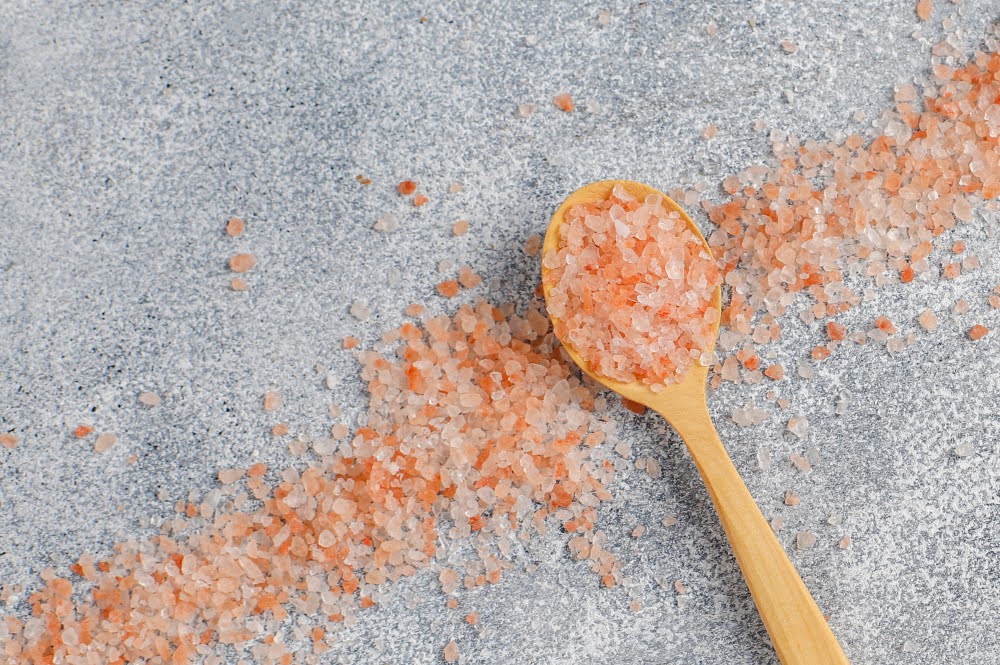
Himalayan pink salt gets its color from tiny amounts of natural minerals that occur with sodium chloride in the Khewra Salt Range of Pakistan. The pink to deep rose tones are mostly due to iron compounds that sit alongside clear salt crystals. This guide explains the simple chemistry behind the color, why shades vary, what it means for taste and nutrition, how to spot authentic products, and how to store pink salt so it keeps its look and quality.
What Himalayan Pink Salt Really Is
Himalayan pink salt is a natural rock salt. The base crystal is halite, which is sodium chloride. By itself, pure halite is colorless or white. The familiar pink tint appears when trace minerals are present in the rock layers where the salt formed. These layers were once part of ancient seas that left salt behind as water evaporated. Over time, earth movements folded those layers into the Salt Range of modern Pakistan, where Khewra and neighboring mines are located.
Spotting the Real Thing
With the growing popularity of pink salt, imitations and dyed salts are not uncommon. Authentic Himalayan salt is mined from the Khewra Salt Range in Pakistan and carries the natural color variations mentioned above. To ensure authenticity, sourcing from trusted suppliers matters. Brands like Sobaan Salts work directly with the mines, which helps guarantee that what reaches consumers is genuine, unaltered rock salt rather than lookalike substitutes.
The Himalayan Salt Color Chemistry, In Simple Terms
Pink salt looks pink because of iron. Very small amounts of iron oxides and iron-bearing minerals, such as hematite and related compounds, live in the same rock as the salt. They can sit as tiny particles, thin streaks, or mixed-in clay. When light hits the crystal, those particles absorb and scatter certain wavelengths, which our eyes read as pinks and warm oranges.
Sodium chloride still makes up the overwhelming majority of the crystal. The color comes from these natural impurities, not from flavor additives or dyes in genuine products. That is why some crystals look palest blush while others show a deeper rose. The difference is how much iron-rich material is present in that piece.
Why Shades Vary From Pale To Deep Rose
No two blocks of rock salt are exactly the same. As miners cut new faces underground, they meet veins and bands that change in thickness and mineral makeup. In one area the crystals sit near clean white layers, in another they touch reddish clay. When these parts are crushed and graded, you get natural variation bag to bag. Producers often sort by shade for décor items and lamps. For kitchen salt and grinder crystals, shade is mostly visual and does not signal a strong difference in taste.
Storage, Light, And Moisture
Pink salt keeps its color and flows best when it stays dry. After opening, seal the pouch and store it in a cool cupboard. Use airtight jars at the counter and label them by grain size so you do not mix crystals. In very humid weather, open bags only long enough to scoop what you need. If crystals cake, move the jar to a drier spot and tap gently to loosen. For a simple, balanced look at detox uses and safe practices, see our Himalayan salt detox guide.
Does The Salt Pink Color Change Taste Or Nutrition
Taste differences between pink salt and white refined salt are subtle, mostly due to crystal size and how the crystals dissolve on the tongue. The trace minerals that create color are present in tiny amounts. In normal cooking use, they do not make pink salt a significant source of nutrients. Think of the color as a natural signature of origin rather than a nutritional claim.
Authenticity: How To Spot The Real Pink Salt
Real Himalayan pink salt should list origin from Pakistan, often the Khewra region or the broader Salt Range. Color is naturally uneven, not painted or perfectly uniform. Crystals feel dry to the touch in normal rooms but can feel slightly damp in humid weather because salt attracts moisture. Labels for kitchen use should show grain size, net weight, and a lot of code. If you buy lamps or blocks, look for sturdy bases and safe cords, and accept natural banding and small surface lines that come with carved stone.
Practical Uses Where Color Matters
In the kitchen, color adds a gentle visual appeal. Fine grains blend into doughs and soups. Medium grains make a soft crunch for finishing vegetables and grilled meats. Coarse crystals work well in refill grinders where you want a fresh burst of salt at the table. For displays and gifts, the pink hue looks striking in glass jars and clear pouches. Blocks and slabs bring a dramatic look for searing and chilled serving platters, and lamps glow with warm amber tones in the evening.
Final Thoughts
Pink Himalayan salt is pink because nature left tiny amounts of iron-rich minerals inside otherwise clear salt crystals. Those traces shift how light passes through the crystal, which gives the familiar warm shades. The result is a salt that tastes clean, looks beautiful, and performs well in everyday cooking when you choose the right grain size and keep it dry. If you are comparing origins, formats, and packing options from Pakistan, the Sobaan salt manufacturer in Pakistan is a good place to review typical specifications and export support.