
The Changing Media Landscape
Over the past decade, the way consumers interact with media has undergone a radical shift. Audiences are no longer tied solely to television, radio, or print—today, digital platforms dominate the landscape, offering instant access to news, entertainment, and information through smartphones and smart devices. As audiences fragment across social media, streaming services, and niche online communities, advertisers must continuously adapt their approach to find and engage target consumers effectively. Staying up-to-date with these rapid changes is essential for anyone aiming to run successful ad campaigns.
Modern brands recognize that the old methods of purchasing media spots have evolved into a nuanced discipline. Media buying today leverages sophisticated tools, robust audience insights, and streamlined workflows. Platforms such as Campaign’s media buying guide offer specialized expertise in planning and executing cross-platform strategies that maximize ROI and ensure efficient use of ad budgets. Navigating this landscape requires more than just ad placement—it demands a strategic, data-driven approach. For additional insights about the changing media landscape. click https://mediamaxnetwork.com/media-buying/.
What Is Modern Media Buying?
At its core, modern media buying is the intersection of analytics, creativity, and precise audience targeting. Unlike in the past, where success often hinged on intuition or existing relationships, today’s media buying revolves around measurable outcomes and accountability. Media buyers now analyze demographics, behavioral data, and platform metrics to select not only the right channels, but also the timing and type of content that resonates best with their audience. Advertisers are empowered to adjust creative messaging on the fly, ensuring campaigns remain relevant and effective in a constantly evolving environment.
This shift has made the process of media buying much more collaborative and transparent. Marketers work closely with media planners, data analysts, and content creators to fine-tune campaigns for optimal reach and engagement. The evolution of buying methods has also resulted in increased focus on ROI, pushing agencies and brands to prove and improve the value of every marketing dollar spent.
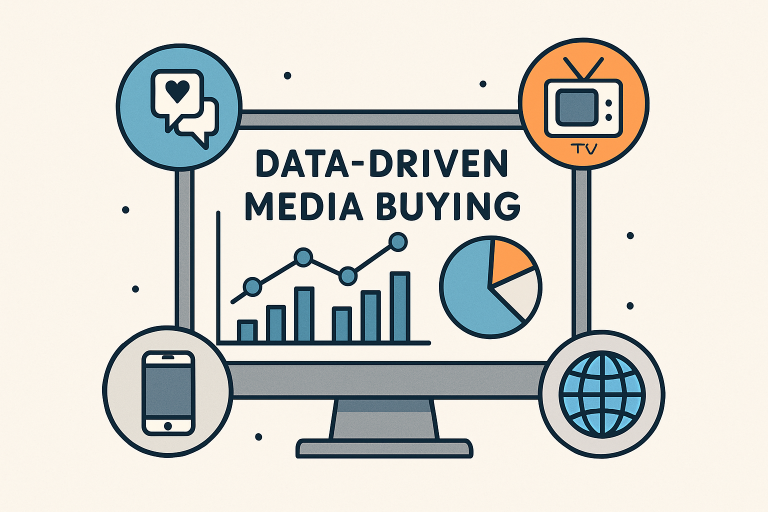
The Power Of Data-Driven Campaigns
Today’s most effective campaigns are built on robust data analysis. Media buyers utilize powerful analytics platforms to access real-time data on user behavior, segment audiences by granular interests, and conduct controlled tests to discover the most impactful ad formats and messaging. Through A/B testing and continual optimization, brands can shift their strategies quickly based on live feedback, minimizing wasted spend and maximizing conversion rates.
According to industry research, data-driven campaigns consistently outperform less-targeted approaches, sometimes generating conversions upwards of 30% higher than static or broadly targeted campaigns. The combination of first-party user data and predictive analytics allows for hyper-personalized advertising that speaks directly to consumers’ needs and motivations, driving stronger engagement and loyalty over time.
Emerging Technologies Shaping Media Buying
The evolution of media buying has been accelerated by the adoption of programmatic advertising, artificial intelligence (AI), and machine learning. Programmatic technologies automate the buying process, allowing campaigns to be purchased and optimized in real-time using algorithms that scan for the best inventory and pricing. AI-driven platforms can predict future audience behaviors, optimize creative assets automatically, and analyze the performance of thousands of variables in seconds.
Digital transformation has also given rise to tools such as dynamic creative optimization, advanced attribution models, and blockchain-based solutions for transparency and fraud prevention. These technologies empower buyers to reach more specific audiences and ensure budget efficiency in ways unimaginable just a few years ago.
To get a sense of where programmatic is heading, The Wall Street Journal explores the rise and future potential of automated ad buying.
Optimal Cross-Channel Strategies
Effective media buyers understand that no single channel can deliver the reach and impact of a well-integrated campaign. Cross-channel strategies blend the strengths of search, social, display, video, and even traditional media, creating a seamless experience that follows users throughout their decision-making journey. Coordination is key to avoiding ad fatigue, frequency overlap, or message dilution across platforms.
Cross-channel tracking technology enables the monitoring of user interactions across devices and platforms, providing valuable insights into which touchpoints yield the strongest results. Brands that embrace an omnichannel mindset enjoy stronger brand consistency, more meaningful engagements, and increased returns on ad spend.
Tackling Common Challenges
The complexity of digital media buying isn’t without obstacles. Issues like ad fraud, brand safety, low viewability rates, and tightening privacy regulations present ongoing challenges. The rising use of ad blockers and shifting consumer attitudes toward privacy further complicate efforts to reach target audiences.
To counter these challenges, proactive measures must be taken. Transparent reporting, publisher verification, and investing in quality inventory help safeguard brand reputation. Staying informed about industry developments, such as those highlighted in Adweek’s coverage of advertising challenges, enables brands to adapt quickly and maintain an ethical, effective media buying strategy.
Measuring Campaign Success And ROI
Accurate measurement is the foundation of successful media buying. Media buyers focus on key performance indicators (KPIs) tailored to the specific goals of each campaign—such as impressions, clicks, conversions, sales lift, or brand sentiment. Regular, in-depth reporting allows teams to refine strategies and improve over time.
Advanced attribution models play a crucial role in understanding which channels and consumer touchpoints are driving results. By integrating multi-touch attribution and closed-loop analytics, marketers can allocate budget resources more efficiently and ensure every marketing effort contributes to the brand’s objectives.
Future Trends In Media Buying
The media buying landscape will continue to evolve at a rapid pace, driven by new channels and cutting-edge technology. Expect further integration of augmented reality (AR), voice search, and even more sophisticated automation tools. The proliferation of connected devices and platforms will increase the importance of adaptability and experimentation for brands aiming to capture—and keep—audience attention.
Early adopters of innovative formats and data-driven solutions are poised to gain a competitive edge as consumer habits shift. Ultimately, flexibility, transparency, and a relentless pursuit of better outcomes will define the next era of media buying success.