
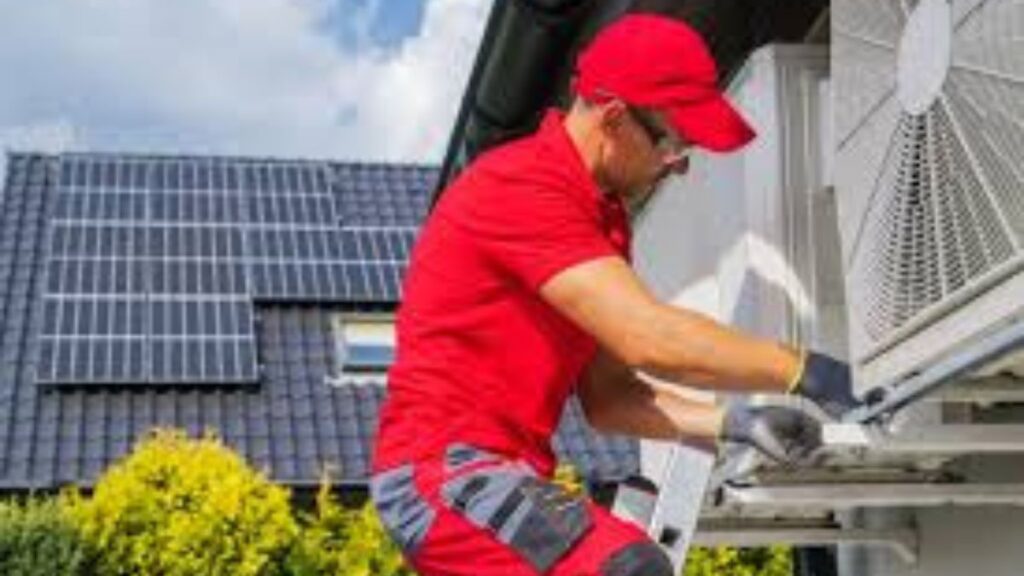
Why Proper HVAC Installation Matters
Heating, ventilation, and air conditioning (HVAC) systems serve as the backbone of comfort and health in residential and commercial spaces. They manage temperature, filtration, humidity, and airflow, creating safe havens from extreme weather and environmental pollutants. However, the foundation of reliable performance begins much earlier—with the quality of the HVAC installation itself.
Choosing precise installation isn’t simply about getting the system up and running. It plays a significant role in maximizing the system’s performance and lifespan. Well-installed HVAC systems function optimally for years longer, while poor setups often result in inefficiencies, frequent repairs, and premature replacements. Making the right investment at the outset leads to long-lasting reward in terms of comfort, peace of mind, and lower total cost of ownership.
The Science Behind HVAC Efficiency
HVAC systems are among the largest energy consumers in most buildings, often accounting for 40-50% of energy use. Inefficiency frequently creeps in through heat loss, poorly sealed ductwork, and equipment that’s the wrong size for the environment it serves. Even minor installation errors can significantly increase energy consumption, leading to higher monthly bills and undermining eco-friendly goals. Recent industry findings indicate that advanced installation techniques can reduce energy usage by up to 30% compared to traditional methods. According to the U.S. Department of Energy, modern systems, when installed and calibrated correctly, achieve much higher efficiency, which directly translates into both financial savings and reliable operation. This makes proper installation a critical factor not only for performance but also for long-term sustainability.
Common Mistakes in HVAC Installation
Mistakes during installation can undo the benefits of even premium equipment. A frequent misstep is improper sizing; an undersized system will struggle to maintain warmth or coolness, while an oversized one will cycle too often, causing wear and uneven comfort. Ductwork errors, such as poor sealing or inadequate insulation, allow treated air to escape, undermining efficiency. Even minor issues, such as an incorrect refrigerant charge or faulty sensor placement, can disrupt the system’s delicate balance.
DIY approaches and shortcuts by unqualified installers compound these issues. Improper calibration of controls, skipping load calculations, and using incorrect installation materials are common pitfalls that lead to high operating costs, frequent breakdowns, and a shortened system lifespan.
Long-Term Cost Savings Explained
Investing in professional HVAC installation yields significant returns over time. Correctly set up systems operate efficiently, require fewer repairs, and often benefit from extended equipment warranties. According to industry studies, energy-efficient installations can lead to utility bill reductions of 20-30%. As noted by This Old House, proper installation practices not only enhance performance but also ensure the system operates at peak efficiency for years to come. The initial investment is quickly offset by these monthly savings, making it an attractive option even for cost-conscious homeowners or businesses.
Furthermore, the return on investment from professional installation is measurable not just in dollars but in peace of mind and environmental impact, as the savings, reliability, and comfort provided make it a wise long-term strategy.
Comfort and Indoor Air Quality Over the Years
A properly installed HVAC system delivers consistent, comfortable temperatures year-round, regardless of seasonal fluctuations. Beyond basic temperature control, these systems ensure that humidity stays in check, preventing mold and improving overall air quality. High-quality installations also result in better filtration, keeping airborne allergens, dust, and pollutants at bay, which is especially critical for families, children, and individuals with respiratory concerns.
Over the years, this means safer, healthier air and living conditions—two factors that are invaluable for quality of life and productivity in homes and commercial properties alike.
Environmental Benefits: A Greener Choice
Energy-efficient HVAC installations are powerful tools in the fight against climate change. Reduced energy consumption results in a direct decrease in greenhouse gas emissions, thereby lowering your carbon footprint. Efficient HVAC systems are central to sustainability initiatives, which are becoming increasingly important for both regulatory compliance and corporate social responsibility.
According to the U.S. Environmental Protection Agency, the efficient installation and maintenance of HVAC units are among the most effective ways a household or business can reduce its environmental impact and align with green building goals.
Longevity and Maintenance: Protecting Your Investment
The benefits of proper HVAC installation continue long after the system is running. Accurate setups mean less wear and tear on components, reducing the need for emergency repairs and extending the equipment’s usable life. Preventive maintenance is simplified and more effective, since the system begins its life in peak condition.
Seasonal maintenance—such as filter changes, duct cleaning, and professional tune-ups—remains crucial for preserving efficiency. System owners should follow the manufacturer’s guidelines and establish a regular service schedule to maintain the gains achieved by a premium installation.
Conclusion: The Lasting Value of Proper HVAC Installation
Proper HVAC installation is far more than a technical step; it is the foundation for years of comfort, efficiency, and reliability. From reducing energy costs and extending equipment lifespan to improving air quality and supporting environmental sustainability, the benefits extend well beyond the initial setup. Avoiding common installation mistakes and investing in professional expertise ensures that the system operates at peak performance, delivering consistent comfort and healthier indoor environments. In the long run, this smart upfront investment not only safeguards your financial resources but also contributes to a greener, more sustainable future.