
Introduction to Sustainable Group Travel for Urban Events
Urban events have the potential to bring communities together, showcase innovation, and foster economic growth, but they can also create significant environmental challenges. Sustainable, eco-friendly transportation plays a critical role in minimizing carbon footprints and supporting wellness for attendees. By making environmentally responsible choices, event planners not only demonstrate leadership but also craft better experiences for everyone involved.
From massive city festivals to corporate conferences, organizing green transportation can also offer logistical advantages. Efficient mobility options can reduce traffic congestion, improve safety, and increase accessibility. For example, working with a New York charter bus rental company helps streamline group transport while reducing the number of single-occupancy vehicles, further limiting emissions and benefiting attendees.
Understanding the Environmental Impact of Traditional Event Transportation
Transportation is one of the largest sources of greenhouse gas emissions in urban environments. According to the U.S. Environmental Protection Agency, the transportation sector accounts for nearly 30% of total emissions, with events often causing spikes in vehicle usage and congestion. Traditional travel methods, especially reliance on single-occupancy vehicles, can dramatically increase air pollution, noise, and overall energy consumption during large gatherings.
The logistical challenge intensifies when thousands of attendees descend upon a city’s downtown area, overwhelming existing infrastructure and causing significant delays. These problems not only impact the environment but also reduce the comfort and satisfaction of event-goers.
Effective Green Transportation Options for Group Travel
Public Transit and Carpooling
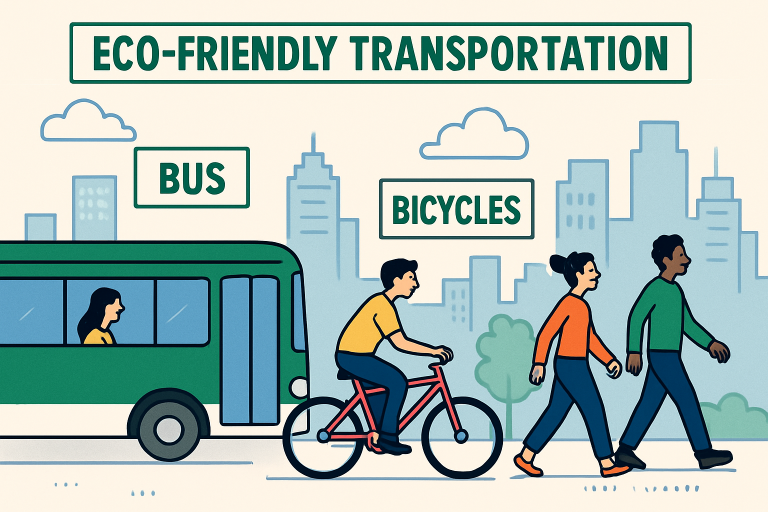
Utilizing existing public transport systems is a scalable and efficient approach to reducing the carbon footprint of large events. Encouraging attendees to use buses, trains, or subways can significantly decrease traffic burden and air pollution. Additionally, organizing structured carpooling programs or partnering with transit agencies makes these options more attractive to guests.
For groups large and small, ride-share apps and digital carpool platforms can further improve coordination, maximizing seat occupancy and minimizing unnecessary trips.
Cycling and Walking
Investing in bike-share programs and building pedestrian-friendly infrastructure not only supports sustainability goals but also fosters a vibrant city culture. Promoting cycling, e-bikes, or walking routes for attendees offers obvious health benefits, encourages social interaction, and drastically cuts down emissions. These active travel methods can be supplemented by pop-up bike parking and marked paths to and from venues.
Innovative Technologies Enhancing Sustainable Event Transportation
Electric and Hybrid Vehicles
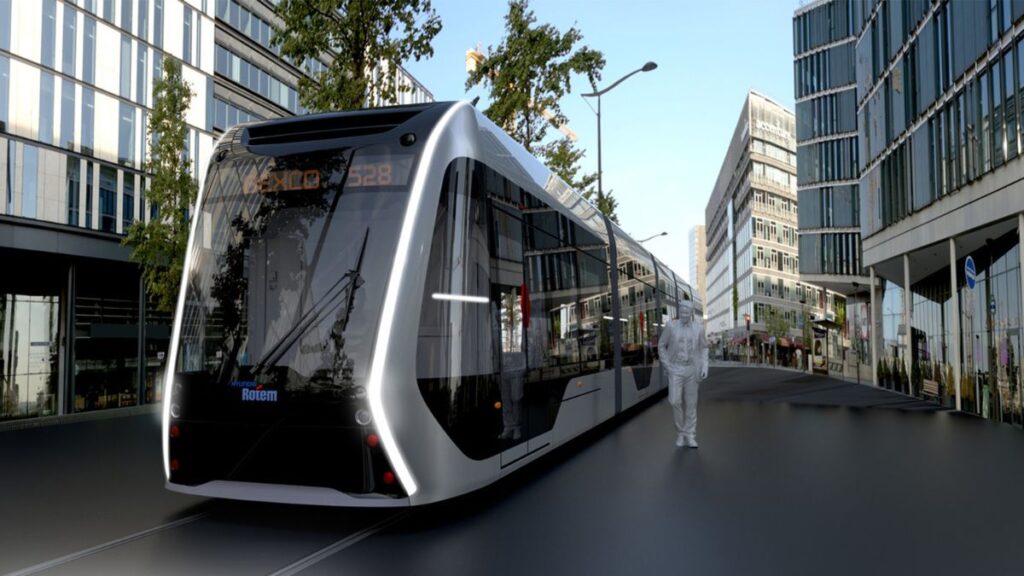
Electric buses, shuttles, and hybrid vehicles are revolutionizing event logistics. Planners can collaborate with transit providers to integrate zero-emission transit fleets or charter environmentally friendly transport options. Cities like Los Angeles and Seattle have shown significant emissions reductions by moving to all-electric bus systems. The advent of portable charging stations makes it feasible even for mobile events or temporary venues to provide green vehicle support.
Autonomous Shuttles
Autonomous vehicles are poised to play a vital role in the future of urban event mobility. These shuttles, operating on set routes, optimize energy use and reduce emissions by grouping passengers based on destination and demand. Pilot programs in Las Vegas and Ann Arbor have shown promise, increasing both efficiency and access for vulnerable populations.
Case Studies: Cities Leading in Sustainable Event Transportation
Portland, Oregon
Portland is renowned for integrating renewable energy into public transit operations and expanding an extensive urban bicycling network. During events such as the Portland Rose Festival, visitors have access to seamless transit connections powered in part by wind energy and a robust bike-sharing system that puts sustainable commuting front and center.
Monterey, California
Monterey has distinguished itself by committing to zero-waste venues and implementing carbon offset programs in partnership with local nonprofits. Special event shuttles running on biodiesel, combined with extensive recycling and composting services, have set a new bar for sustainability at conferences and festivals alike.
St. Louis, Missouri
St. Louis supports its urban events with solar-powered venues and the creation of “pollinator pathways,” corridors of green space that connect event locations while supporting biodiversity. These green infrastructure strategies not only reduce emissions but also enhance the urban landscape for residents and visitors.
Practical Steps for Event Planners to Implement Green Transportation
Conducting a comprehensive transportation audit is a critical first step for event planners who aim to reduce their environmental impact and promote sustainability. By thoroughly identifying current emissions levels, pinpointing specific pain points in the transportation logistics, and understanding attendees’ travel habits, planners can establish a solid foundation for developing tailored green initiatives. Collaborations with reputable local transportation authorities, eco-conscious shuttle service providers, and city cycling organizations not only enhance the credibility of the efforts but also bring valuable resources and expertise to the table. Additionally, event planners should prioritize engaging attendees early and often throughout the planning process, providing clear incentives, informative materials, and educational campaigns about choosing greener, more sustainable transportation options to encourage participation and positive behavioral changes.
Overcoming Challenges in Adopting Eco-Friendly Transportation Solutions
Budget and funding limitations often pose a significant hurdle to implementing sustainable practices in various projects and initiatives. To overcome these financial challenges, planners should explore a wide range of opportunities, such as applying for local, state, and federal grants that are specifically designed to promote and support green transit and environmentally friendly transportation options. Additionally, establishing partnerships with sponsors and organizations that are eager to support visible sustainability projects can provide essential funding and resources. Accessibility must also be top of mind; it is crucial to ensure that all attendees and users, regardless of physical ability, financial means, or other barriers, have equitable access to eco-friendly travel options and sustainable transportation services. Finally, effective coordination and communication between multiple vendors, service providers, and government agencies are essential for keeping logistics smooth, reducing potential issues, and maintaining high levels of customer satisfaction and community engagement.
The Future of Sustainable Group Travel in Urban Events
Sustainable group travel for urban events is not just a passing trend, as it is a crucial and growing necessity that is increasingly being driven by rapid advancements in technology, proactive civic leadership, and a genuine commitment to enhancing community well-being and environmental responsibility. Ongoing collaboration and effective communication between public agencies, event planners, vendors, and attendees will be essential in paving the way for future innovations and sustainable practices. By embracing continuous learning, remaining adaptable, and fostering innovative solutions, we can create greener, more enjoyable, inclusive, and memorable event experiences that benefit both communities and the environment in the long term.