
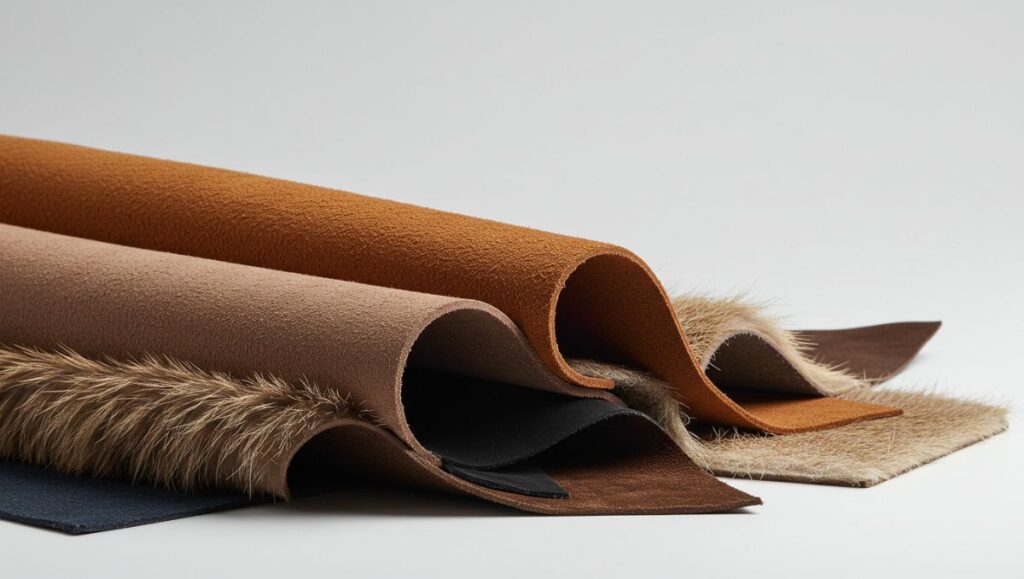
Zuschneidfelle is a German term that translates to “cutting pelts” or “trimmed hides” in English. These are leather or fur skins that have been prepared and trimmed specifically for cutting and further processing in textile or manufacturing industries. Often used in apparel, footwear, and accessories, zuschneidfelle are selected for their uniformity, quality, and suitability for precise tailoring.
Unlike full, untrimmed hides, zuschneidfelle are sorted, shaped, and sometimes pre-measured to simplify the production process in workshops and factories.
The Role of Zuschneidfelle in Manufacturing
In the leather and fur industry, efficiency and material consistency are crucial. Zuschneidfelle streamline this process by offering pre-prepared pelts that are ready to be cut into patterns, shapes, or panels for garments and goods.
These trimmed pelts are particularly valuable for:
-
Leather jackets and coats
-
Handbags and accessories
-
Footwear linings or exteriors
-
Automotive upholstery
-
Fur hats, gloves, and trims
By using zuschneidfelle, manufacturers save time and reduce waste, ensuring a more economical and sustainable production cycle.
Common Materials Used for Zuschneidfelle
The type of material used in zuschneidfelle depends on the final product’s purpose. Here are some common types:
1. Lamb or Sheepskin
Soft and flexible, lamb pelts are ideal for high-end fashion, linings, and soft leatherwear. Sheepskin zuschneidfelle often come with the wool intact, making them ideal for winter garments.
2. Cowhide
Thicker and more durable, cowhide zuschneidfelle are perfect for belts, bags, and rugged apparel like motorcycle jackets.
3. Goat and Kid Skin
Known for their fine grain and light weight, these hides are used in gloves, shoes, and small accessories.
4. Exotic or Specialty Furs
Mink, rabbit, or fox zuschneidfelle are used in the luxury segment for fur trims, collars, or decorative panels.
Benefits of Using Zuschneidfelle
Choosing zuschneid felle over raw or full hides offers several advantages for artisans and manufacturers alike:
1. Reduced Waste
Since the hides are pre-trimmed, unusable or irregular sections have already been removed, leaving only the highest quality material for use.
2. Improved Efficiency
Zuschneid felle are easier to handle, stack, and cut, speeding up production without compromising on material integrity.
3. Consistency in Size and Shape
This is especially important when producing uniform items like gloves or shoes, where each piece must match precisely.
4. Cost-Effectiveness
Although slightly more expensive per square meter than raw hides, the savings in labor and waste often offset the initial cost.
Who Uses Zuschneidfelle?
The demand for zuschneid felle comes from a range of industries, from small artisanal workshops to large-scale manufacturing facilities. Common users include:
-
Fashion designers creating custom garments or limited editions
-
Craftsmen and leatherworkers producing handmade goods
-
Footwear factories requiring consistent upper materials
-
Upholstery businesses need precise cuts for interior finishes
-
Luxury brands using fur zuschneid felle for trimmings and accessories
In each case, zuschneidfelle helps balance quality and speed, essential for meeting production deadlines while maintaining high craftsmanship standards.
Sourcing and Quality Grading of Zuschneidfelle</h2>
=”4341″>Zuschneidfelle are typically graded based on:
-
Surface quality (grain, blemishes, scars)
-
Thickness
-
Tensile strength
-
Color uniformity
In Europe, particularly in countries like Germany, Italy, and Austria, suppliers maintain strict quality standards for zuschneidfelle. When purchasing, it’s important to choose reputable tanneries or wholesalers who offer transparency about sourcing and preparation methods.
Ethical sourcing is also gaining attention—buyers increasingly prefer zuschneid felle that come from sustainable farms or byproduct chains of the meat industry.
How Zuschneidfelle Supports Sustainable Craftsmanship
Using zuschneidfelle contributes to sustainability in multiple ways:
-
Minimized waste: Only usable hide sections are processed and sold.
-
Efficient transportation: Trimmed pelts take up less space than full hides.
-
Fewer chemical treatments: Many zuschneid felle are semi-finished or vegetable-tanned, reducing environmental impact.
This makes them a preferred material for eco-conscious brands looking to blend tradition with responsible production.
Final Thoughts
In the world of leather and fur manufacturing, zuschneidfelle offer a smart solution that balances precision, quality, and efficiency. Whether you’re an artisan crafting bespoke products or a manufacturer aiming to optimize workflow, zuschneidfelle provides a head start in your production process.
With their rising popularity in sustainable fashion and functional design, zuschneid felle are proving to be more than just a material—they’re a tool for better craftsmanship.