
Introduction
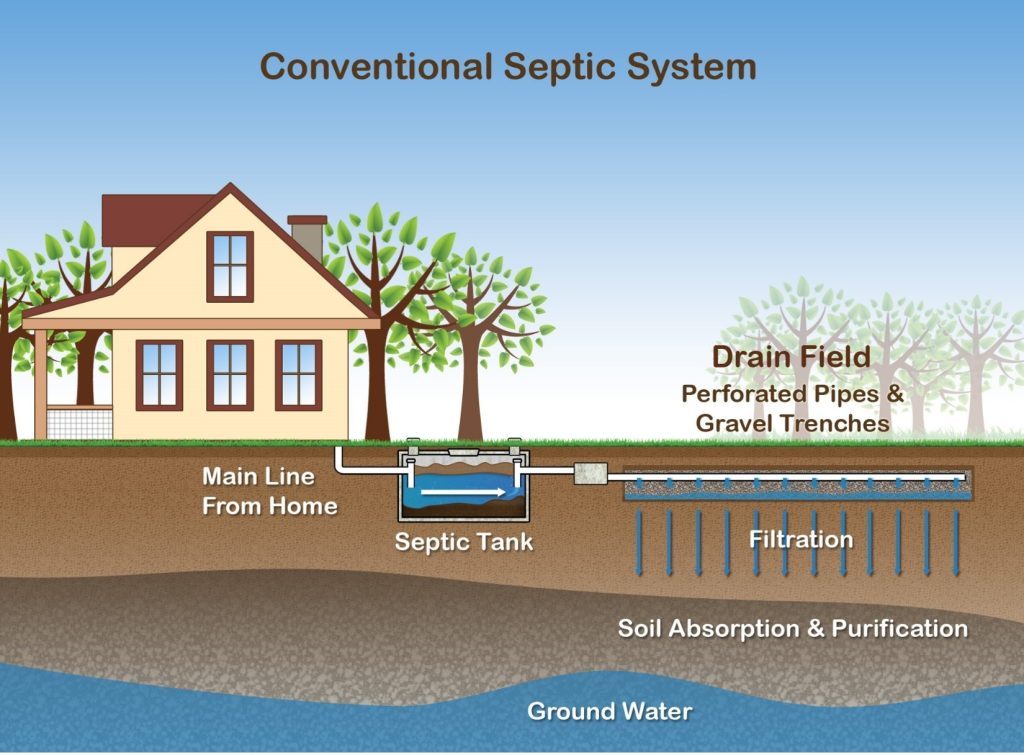
Septic systems have undergone remarkable developments in recent years, making them more effective, eco-friendly, and durable than ever before. Innovations in design, technology, and installation processes are transforming wastewater management for homeowners and industry professionals alike. No longer are septic systems only a basic necessity for rural properties—they now represent a sophisticated, sustainable alternative for modern homes everywhere. In many communities, these advancements address rising environmental concerns, water scarcity, and growing urbanization. For those seeking reliable and advanced septic tank installation Orlando FL, understanding these techniques is essential to optimizing system performance and environmental responsibility. By adopting new approaches, property owners can take proactive steps toward safeguarding water resources for future generations while enjoying years of dependable service from their septic units.
From more sustainable materials to the integration of smart sensors, today’s septic systems can deliver superior treatment results while reducing their ecological footprint. These systems are engineered to meet the unique demands of different environments, adapting to soil conditions, groundwater levels, and population density. Homeowners and contractors should stay informed about these cutting-edge methods, as properly installed modern systems offer better functionality, long-term cost savings, and peace of mind. Furthermore, innovations such as remote monitoring and energy-efficient operation provide an added convenience layer, allowing property owners to maintain optimal system performance with minimal hassle. Choosing the proper septic configuration can dramatically impact water quality, property value, and neighborhood health, making knowledge of modern options more valuable than ever.
Advanced Treatment Technologies
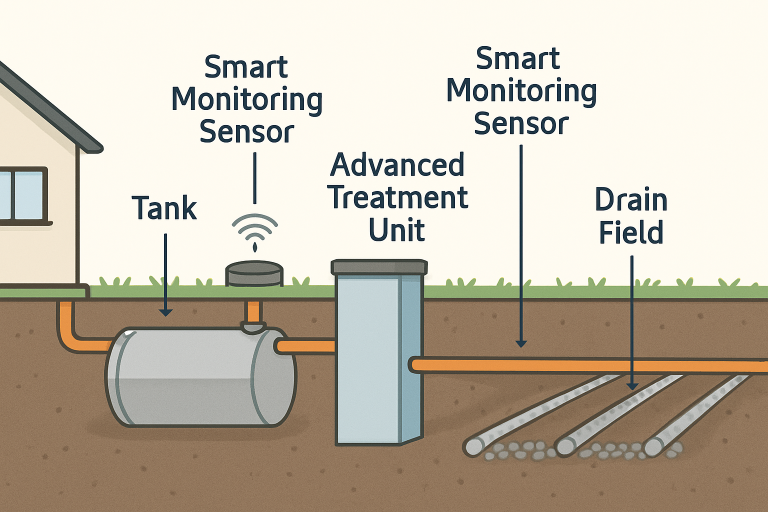
Traditional gravity-based septic tanks are being replaced or upgraded with advanced treatment units (ATUs), which actively aerate the tank contents. These ATUs use mechanical parts that mix air into the wastewater, drastically increasing the oxygen levels within the tank. This innovation accelerates the breakdown of organic waste, minimizing unpleasant odors and reducing the load on secondary treatment systems like drain fields. Enhancing the decomposition process allows aerobic bacteria to thrive and outcompete less efficient anaerobic organisms. The result is higher-quality effluent, which protects groundwater and is crucial in regions with fragile ecosystems or stricter environmental standards. Many ATUs can be customized to fit specific household or commercial wastewater loads, ensuring scalability for diverse property types. Learn more about different septic system technologies from the Environmental Protection Agency. Some advanced systems even utilize ultraviolet (UV) light or chemical treatments to purify wastewater further before it returns to the environment.
Eco-Friendly Design and Materials
Sustainable approaches to septic system design are gaining momentum, with renewable and recycled materials at the forefront. Instead of using conventional heavy concrete tanks and gravel drain fields, modern systems can incorporate lighter, more eco-friendly substitutes. Some of these designs feature organic filter media, such as coir (coconut fiber), which is highly effective in trapping contaminants and is biodegradable. Using such media helps reduce reliance on scarce resources and keeps materials out of landfills at the end of their lifecycle. Lightweight, modular chambers made from recycled plastics minimize transport emissions and installation effort, often making them a preferred choice for challenging or remote sites. Collectively, these innovations help reduce a system’s carbon and material footprint while maintaining high performance. Environmental benefits also extend to minimizing soil disturbance and reducing long-term maintenance needs, which is paramount for sustainably managed properties.
Prefabricated and Modular Systems
The rise of prefabricated and modular septic solutions marks a significant shift toward efficiency and quality control. Prefabrication allows most system components to be built and assembled in controlled environments off-site, ensuring each piece meets rigid quality standards before reaching the installation location. These components can be quickly installed upon delivery, often in a fraction of the time required for traditional methods. This process drastically shortens installation times and ensures consistent quality regardless of site conditions, vital for residential and commercial projects. Prefabrication also makes it possible to scale systems for larger or more complex properties without proportionally increasing labor or disruption, optimizing costs in the process. Modular systems make future expansion far easier for growing families or multi-user facilities, supporting property evolution while maintaining effective wastewater treatment.
Smart Monitoring and Maintenance
The adoption of innovative technologies is transforming system management, introducing digital monitoring and diagnostics to what was once a ‘set-and-forget’ utility. Monitors and sensors installed directly into tanks and distribution boxes track critical factors such as fluid levels, flow rates, and contaminants. These innovative systems can alert homeowners or maintenance providers to potential issues before they malfunction, helping prevent costly and environmentally hazardous failures. Data can often be accessed remotely via smartphone apps, giving property owners instant insight into system health and efficiency. For additional guidance, the This Old House guide to septic tanks offers helpful tips for ongoing care. With predictive analytics, routine maintenance can be scheduled before problems escalate, reducing risks and extending the working life of costly investments. These technologies benefit property owners with multiple systems or vacation homes, providing peace of mind from afar.
Site Evaluation and Soil Testing
Before installing any septic system, thorough site evaluation and soil analysis are critical steps that directly impact system longevity and compliance. Soil permeability, depth to groundwater, and topography all influence the suitable type and size of the system. Technicians employ percolation (perc) tests and hydraulic conductivity measurements to assess how quickly water moves through local soil layers, which determines absorption rates and potential site constraints. Proper testing ensures that effluent is absorbed efficiently and safely, reducing the likelihood of pollution or system failure. This process can also help uncover hidden factors, like shallow bedrock or fluctuating water tables, that could jeopardize performance and regulatory approval. Careful planning, informed by site-specific data, is crucial to ensuring the entire system is tailored to property needs and environmental regulations.
Regulatory Compliance and Standards
Modern septic systems must comply with local, state, and national codes and standards. Regulatory requirements are in place to ensure public safety and maintain the integrity of natural resources; failing to meet these standards can result in hefty fines or system shutdown. Certification requirements, such as NSF/ANSI 40 and NSF/ANSI 245, ensure rigorous third-party treatment efficacy, durability, and safety verification. Compliance protects homeowners from legal issues. It helps secure property value and contributes to environmental protection on a community-wide scale. Navigating local permitting processes and periodic inspections is a vital part of the installation process, and professional installers stay up to date on evolving standards to avoid costly delays or modifications.
Cost Considerations and Financial Assistance
Installing innovative septic solutions can require a higher initial financial outlay than traditional systems due to the advanced technologies and premium materials involved. However, the investment often pays for itself over time, thanks to reduced maintenance costs, longer lifespans, and fewer repair incidents. Homeowners may be able to offset expenses through grants, subsidies, or low-interest loans designed to encourage sustainable septic upgrades, and these incentives often focus on areas facing critical water quality challenges. Many governmental and nonprofit programs support adopting environmentally friendly wastewater treatment, making cutting-edge systems accessible to many property owners. Understanding these options can help homeowners make informed budget decisions while maximizing financial and environmental returns.
Conclusion
The latest advances in septic system installation reflect a growing awareness of environmental concerns and a commitment to sustainable development. Property owners can benefit from improved system efficiency, reliability, and environmental stewardship by staying informed and choosing the right installation partners. Modern septic solutions offer a compelling blend of performance, sustainability, and long-term savings. The future of septic systems is bright, rooted in innovative design, advanced materials, and a shared responsibility for our communities and natural resources. With continued innovation, these vital systems will remain at the forefront of clean water management for years.