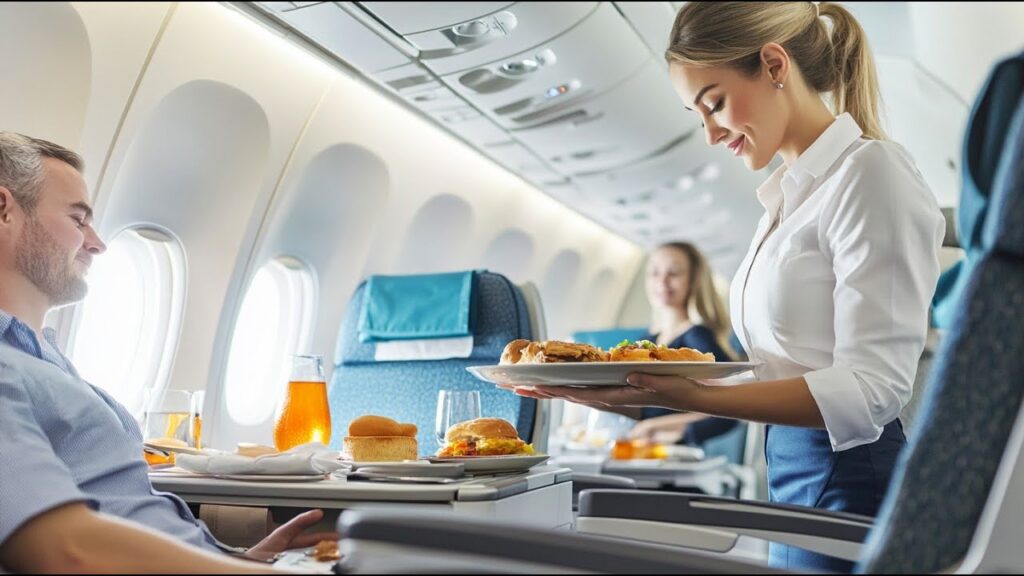
When you sit back in your airplane seat and receive a neatly packed meal tray at 35,000 feet, it’s easy to overlook the extensive effort that goes into making that moment seamless. Behind every inflight meal lies a dedicated team working tirelessly behind the scenes—the inflight catering crew. Their job involves more than just preparing food; it’s a well-orchestrated ballet of precision, safety, logistics, and teamwork. Let’s take a closer look at what a day in their life really looks like.
4:00 AM – The Day Begins Early
For most inflight catering teams, the day begins before dawn. While the world is still asleep, chefs, kitchen staff, and logistics teams are already hard at work. The first task? Reviewing the day’s flight schedules. Each flight has unique meal requirements—vegetarian, vegan, diabetic, gluten-free, or kosher meals—all of which must be prepared with care and accuracy.
Menus are usually pre-set weeks in advance by airline planners and executive chefs, based on destination, flight duration, and passenger class. Still, last-minute changes are common, so the team must stay agile.
5:00 AM – Meal Preparation and Quality Control
The heart of inflight catering services lies in the kitchen. Large-scale commercial kitchens operate like high-speed conveyor belts, with specialized sections handling different components of a meal—from soups and appetizers to desserts and drinks.
Hygiene and safety are non-negotiable. Every staff member wears protective gear, and ingredients are inspected and recorded. Food is often cooked only partially to retain texture and flavor when reheated onboard. Every tray is assembled with millimeter precision—especially for first-class and business class meals that require high-end presentation.
Then comes quality control, one of the most critical stages. Meals are sampled, temperatures are checked, expiry times are logged, and every tray is cross-verified to ensure zero errors.
7:00 AM – Packing and Loading
Once meals are ready, they’re packed into aluminum containers or specialized airline trays and chilled to optimal storage temperatures. These are then sealed in trolleys, labeled for each flight, and moved to refrigerated trucks.
Loading teams begin the next crucial step: transporting meals to aircrafts waiting on the tarmac. Each catering truck is designed to align perfectly with the aircraft doors for safe and efficient loading. Timing is everything—meals must be loaded at least 90 minutes before departure to allow time for last-minute adjustments and to avoid any flight delays.
9:00 AM – Coordination with Cabin Crew
Inflight catering services don’t end with just food preparation. Ground catering staff coordinate closely with cabin crew to brief them about special meals, passenger allergies, and any onboard service nuances. For premium passengers, crew are informed about wine pairings, presentation instructions, and dietary details to ensure personalized service.
Cabin crew check inventory lists, meal counts, and verify temperatures before take-off. It’s a collaboration rooted in trust and professionalism.
11:00 AM – Midday Rush and Continuous Operations
As the day progresses, the catering hub buzzes with overlapping shifts. While breakfast services are being wrapped up for morning flights, lunch preparations are underway for afternoon departures. Meanwhile, return flights from other countries are being planned for the next day, and overnight flight menus are being finalized.
Inventory management plays a big role here. Perishable ingredients are restocked, expired items are discarded, and supplies like cutlery, napkins, and beverage carts are prepped for rotation. Sustainability efforts have also grown, with many catering units focusing on biodegradable packaging and food waste management systems.
3:00 PM – Managing International Flights
International flights require more extensive meal planning. A single long-haul flight can need three meals per passenger, plus snacks and drinks. Add crew meals and pilot-specific meals (which differ from passenger meals to avoid food poisoning risks), and the numbers multiply fast.
Customs regulations also affect menu choices. Some destinations restrict entry of specific food items like meat or dairy, meaning inflight catering teams must carefully curate destination-appropriate meals.
7:00 PM – Wrapping Up and Night Shifts
As evening sets in, the kitchen doesn’t sleep. Red-eye flights and early morning international departures keep the wheels turning. Fresh teams take over, and detailed handovers are done to maintain continuity. Cleanup, sanitization, and preparation for the next day’s flights continue into the night.
Technology plays a supporting role here. Advanced software systems track flight catering schedules, dietary preferences, and logistics—making the entire operation smoother and more accurate.
Final Thoughts
The inflight catering crew is the invisible force that transforms a passenger’s flying experience. Their work starts before the sun rises and goes well into the night, ensuring that every traveler receives a well-prepared, hygienic, and satisfying meal midair.
From chefs and nutritionists to logistics managers and loaders, every team member plays a critical role in delivering high-quality inflight catering services. So next time you unwrap that hot meal at 35,000 feet, remember the dedication and detail that went into bringing it to your tray table.