
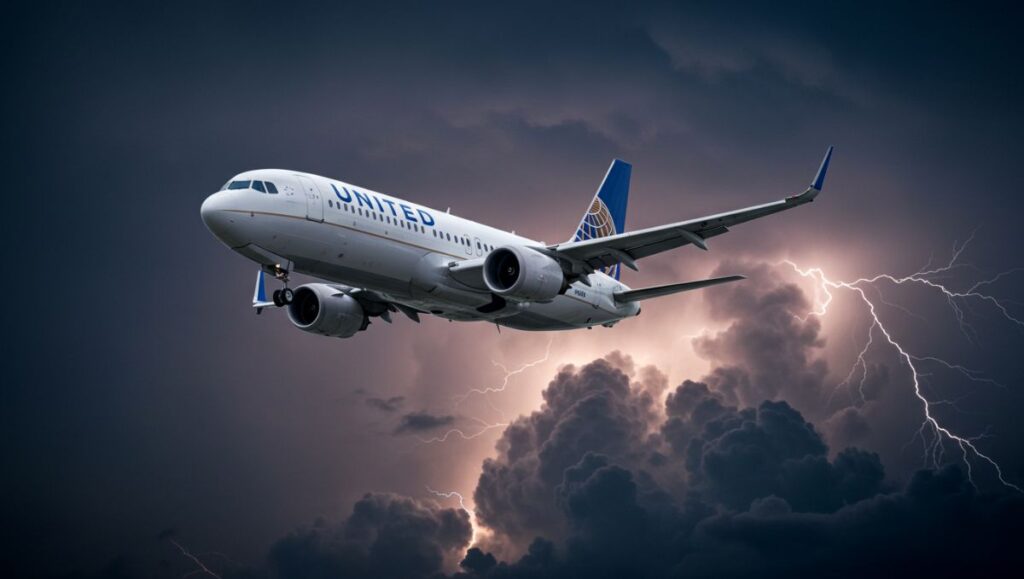
On a seemingly routine flight, the unexpected can turn a smooth journey into an unforgettable ordeal. Such was the case for passengers aboard United Airlines Flight UA770 Emergency diversion. What began as a leisurely trip quickly transformed into an emergency that had everyone on board gripping their armrests with anxiety. As nerves heightened and confusion set in, this flight took a different path—one marked by urgency and resilience. Join us as we delve deeper into what transpired during this dramatic mid-air diversion, exploring the timeline of events that unfolded, passenger reactions, and how airlines like United prepare for such emergencies to keep safety at the forefront of air travel.
Timeline of Events of United Airlines Flight UA770 Emergency Diversion
The incident began on a seemingly routine flight. United Airlines Flight UA770 took off from San Francisco International Airport, bound for Newark Liberty International Airport.
About an hour into the journey, passengers noticed unusual activity in the cabin. The crew announced there was a mechanical issue that required immediate attention.
Soon after, the captain informed everyone that they would be diverting to Denver International Airport. Tension filled the air as flight attendants reassured nervous travelers.
As the plane descended, communication with air traffic control intensified. Emergency protocols were activated while preparations for landing commenced.
Within minutes, Flight UA770 safely touched down in Denver. Emergency services waited on standby as passengers deplaned under heightened alertness and scrutiny.
What transpired during those critical moments left many questioning how such events unfold mid-air.
Factors Leading to Emergency Diversion
Several factors contributed to the emergency diversion of United Airlines Flight UA770. Weather conditions played a significant role, with unexpected turbulence and stormy skies reported along the flight path.
Mechanical issues also emerged as a concern, prompting the crew to take precautionary measures. Any signs of malfunction can escalate quickly in-flight, making it crucial for pilots to act decisively.
Additionally, communication from air traffic control was vital during this time. They provided updates on weather patterns and potential hazards ahead.
Passenger health emergencies are another aspect that airlines must consider seriously. In some cases, medical situations may require immediate attention on land rather than mid-air.
Each of these elements combined created an urgent need for diversion, fostering a situation where safety took precedence over schedules or destinations.
Passenger Reactions and Experiences
Passengers on United Airlines Flight UA770 experienced a whirlwind of emotions during the unexpected diversion. Anxiety surged as they learned about the situation unfolding mid-air.
Some described feelings of disbelief, unsure if it was just a routine announcement or something more serious. Others shared their gripping stories, recalling how quickly fear transformed into concern for fellow travelers.
Many passengers banded together, offering support and comfort to one another. Strangers became allies in facing an uncertain fate at 30,000 feet. The cabin buzzed with nervous chatter while others preferred silence, lost in their thoughts.
Through it all, most expressed gratitude for the crew’s professionalism and calm demeanor. They felt reassured by updates that provided clarity amid chaos. This incident showcased resilience and solidarity among those onboard during what could have been a harrowing experience.
Response from United Airlines
United Airlines quickly addressed the emergency diversion of Flight UA770. The airline expressed deep concern for the safety and well-being of all passengers and crew involved in the incident.
In a public statement, United emphasized its commitment to passenger care during unexpected situations. They assured that they would conduct a thorough investigation to understand what led to this event.
Customer service teams were mobilized at both the departure and arrival airports. This allowed them to assist affected travelers with rebooking options and accommodations if necessary.
Transparency was crucial in United’s response strategy. They maintained open communication lines, providing updates as new information became available. Passengers appreciated timely notifications about changes in travel plans amidst the chaos.
Safety Measures and Precautions Taken by the Airline Industry
The airline industry prioritizes passenger safety through a comprehensive range of measures. Regular maintenance checks on aircraft ensure that every component is functioning optimally. These inspections are mandated by aviation authorities and help prevent technical failures.
Training for pilots and crew members includes rigorous simulations of emergency scenarios. This prepares them to respond effectively under pressure, ensuring quick decision-making during unexpected situations.
Additionally, airlines invest in advanced technology for air traffic control systems. Enhanced communication tools facilitate immediate updates on weather conditions or potential hazards during flights.
Passenger education plays a vital role, too. Safety briefings before takeoff highlight essential protocols and the location of exits, empowering travelers with knowledge about what to do in an emergency.
With these precautions ingrained into their operations, airlines continually work toward enhancing safety standards across the industry, striving to create a secure flying environment for all passengers.
Conclusion: The Importance of Emergency Preparedness in Air Travel
Air travel, while one of the safest modes of transportation, is not without its risks. The incident involving United Airlines Flight UA770 Emergency Diversion serves as a critical reminder of the importance of emergency preparedness in aviation.
Incidents can occur unexpectedly, and airlines must be ready to respond swiftly and effectively. Passengers need to trust that their safety is prioritized above all else. This situation highlights the necessity for rigorous training for crew members and comprehensive protocols designed to handle emergencies.
As travelers embark on their journeys, awareness regarding airline safety measures can foster a sense of security. Understanding what happens during an emergency diversion can also alleviate anxiety associated with flying.
The lessons learned from Flight UA770 will undoubtedly influence future practices within the airline industry. Continuous improvement in technology and procedures ensures that air travel remains a safe option for everyone involved.