
What Are Eye Care Services?
Eye care services have expanded to include various diagnostic, preventive, and therapeutic interventions. Comprehensive care no longer centers on visual acuity tests or corrective lens prescriptions. Today, patients can expect detailed exams that screen for common and rare eye diseases, medical management for chronic conditions like glaucoma or macular degeneration, and emergency care for injuries. These essential services are provided by highly skilled individuals who continually update their knowledge and provide these critical tools to reflect advances in eye care science.
Trusted providers like those at https://ksfamilyoptometry.com/ are equipped to address everything from pediatric vision screenings to sophisticated management of ocular diseases for adults and seniors. Preventive services are the bedrock of modern eye care—routine visits and thorough assessments are now recognized as paramount in detecting sight-threatening issues before they become advanced. As more research spotlights the broader health implications of eye disease, people realize that investment in regular care translates to lifelong visual well-being.
Signs You Might Need Eye Care
It’s common for individuals to overlook minor discomfort or vision changes, but even small signals from the eyes can warn of serious concerns. Recurring headaches unrelated to other causes, persistent eye fatigue while reading, or blurry vision—especially after prolonged computer use—are red flags. If you start experiencing fluctuations in your vision, see spots, flashes of light, or sudden changes in how you perceive colors, it’s essential to seek professional evaluation immediately.
Children present unique clues: squinting, holding devices too close, avoiding reading, or difficulty keeping up at school may signal vision difficulties. For adults, sensitivity to glare, increased issues with night driving, or double vision often indicate the need for timely intervention. When left unchecked, these symptoms can contribute to accidents, impede academic success, or diminish work productivity. Responding early often prevents complications and enables tailored care plans before bigger challenges develop.
Latest Technologies in Optometry
The pace of technological progress in optometry has wholly changed the patient experience and improved health outcomes. A decade ago, diagnosing certain diseases was far less precise; today’s doctors can identify problems long before symptoms affect daily life. Digital retinal imaging and optical coherence tomography (OCT) now offer high-definition, cross-sectional retina images. These scans uncover hidden abnormalities, enabling doctors to tailor management to each unique case.
Telehealth platforms expand access, letting patients consult with specialists, review test results, and manage conditions safely from home. The rapid development of artificial intelligence in image analysis is anticipated to shorten diagnosis times further and personalize recommendations. As these tools become more common, more people benefit from early intervention and a broader range of safe, effective treatments.
Preventive Eye Care Tips
- Wearing sunglasses that block 100% UVA and UVB rays protects delicate eye tissues from harmful solar radiation.
- The 20-20-20 rule—looking 20 feet away for 20 seconds every 20 minutes of screen activity—reduces the risk of developing digital eye strain and dry eyes.
- Consuming a nutrient-rich diet with leafy greens, carrots, sweet potatoes, and omega-3 fats strengthens the eyes’ resistance to age-related vision loss.
- Contact lens wearers should always clean their hands and follow recommended hygiene protocols before handling lenses.
- Don’t skip regular exams; children, adults, and seniors benefit from professional checkups tailored to their unique needs and risk profile.
Adopting even a few of these evidence-based habits helps reduce the lifetime risk of vision loss. According to the Centers for Disease Control and Prevention (CDC), preventive eye care and protective behaviors dramatically lower the likelihood of sight-threatening disease and injuries. When eyes are cared for proactively, the benefits often extend to improved overall health.
Common Eye Conditions and Treatments
The most frequent eye conditions—nearsightedness, farsightedness, astigmatism, and presbyopia—are typically managed with corrective eyewear that provides sharp, clear vision for daily tasks. For millions, dry eye syndrome—marked by itchiness, irritation, and fluctuating vision—can be alleviated by over-the-counter artificial tears, prescription eye drops, or newer in-office treatments that address underlying causes. Allergies, environmental dryness, and excessive screen time are all contributing culprits in the modern world.
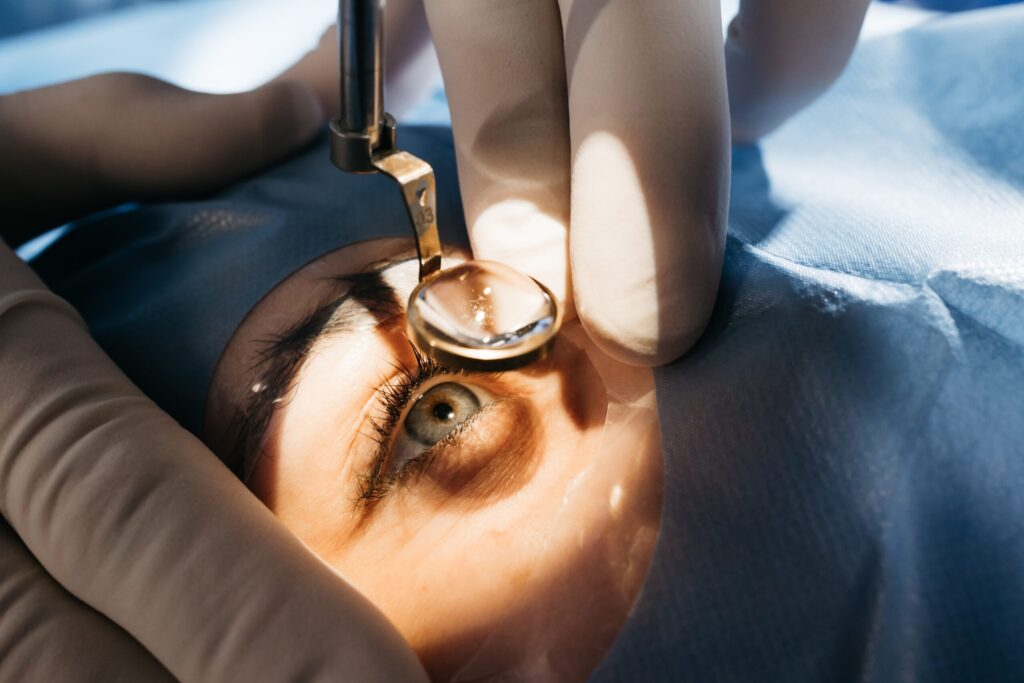
When it comes to more complex conditions like cataracts or glaucoma, medical and, if needed, surgical options are available to restore and protect vision. Cataract extraction and lens replacement are now routine outpatient procedures with remarkable results, and advanced technologies have made laser eye surgeries like LASIK safer and more customizable. Not everyone will be a candidate for surgical procedures, but a personalized consultation with a qualified doctor helps clarify what’s right for each individual’s lifestyle and goals.
Connection Between Eye Health and Overall Well-Being
Vision and wellness are fundamentally interconnected. Annual eye exams frequently reveal problems not yet detectable by other methods, such as subtle changes in blood vessels or retinal tissue that may hint at diabetes, hypertension, or early neurological decline. As many as one-third of adults with diabetes first learn about their condition during a routine eye evaluation.
Beyond detecting disease, good vision supports physical safety, cognitive performance, and emotional health. Older adults with uncorrected vision issues face a greater risk of falls or feelings of isolation, while children with untreated sight problems might struggle academically or socially. Protecting eye health is a practical way to support overall well-being for yourself and your loved ones, whatever their age or stage of life.
How to Choose an Eye Care Provider
- Double-check licensing and board certification in your region for peace of mind and safety.
- Seek providers who adopt cutting-edge diagnostic technology and follow up-to-date evidence-based care practices.
- Inquire about the full range of services, from preventative exams to emergency interventions and specialty options like pediatric or geriatric care.
- Ask friends, family, or colleagues for referrals and review positive testimonials or independent online feedback from former patients.
- Ensure the provider’s office works with your insurance or offers easy payment solutions, minimizing financial hurdles to regular care.
Ultimately, developing a lasting relationship with a knowledgeable, approachable eye care team ensures your needs are consistently met as they change over time. People who feel comfortable communicating openly with their provider are likelier to follow through with checkups and treatment plans.